
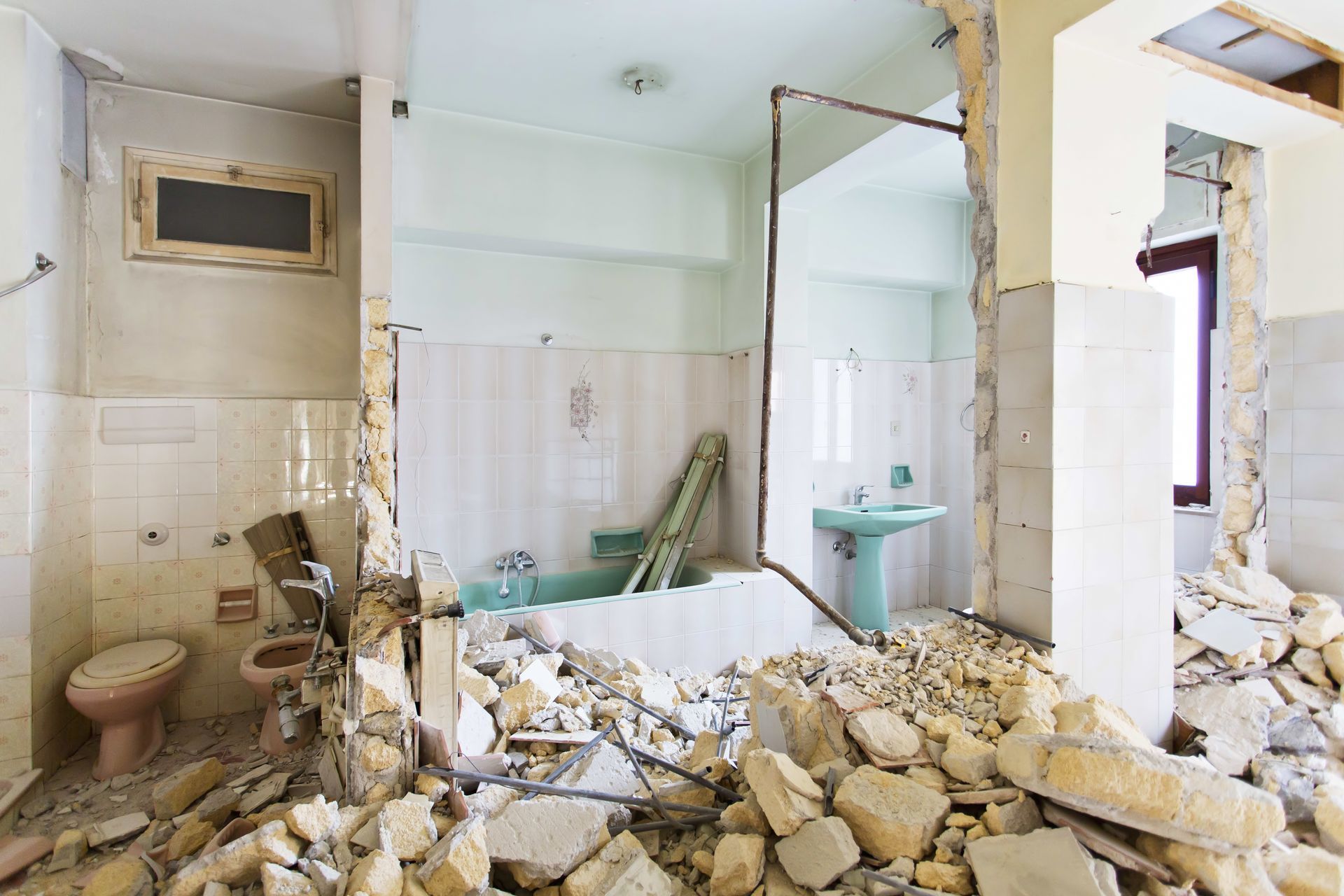
One of the biggest concerns homeowners have before a bathroom renovation is: “What are you going to find when you open the walls?” It's a legitimate concern. Before demolition, we can inspect the bathroom, look for obvious signs of water damage and evaluate what is visible. But no contractor has X-ray vision. Until the walls, floor and old shower or tub are removed, there are conditions that simply can't be completely evaluated. That doesn't mean every old bathroom is hiding a disaster. But homeowners should understand what can potentially be discovered and how those situations should be handled. Water Damage Is One of the Most Common Surprises Bathrooms are wet environments. If an old shower, bathtub, toilet or plumbing connection has leaked over time, there may be damage that isn't visible from the finished side of the bathroom. Once demolition begins, we may discover deteriorated plywood, damaged framing or evidence of an old leak that was never properly repaired. Sometimes the homeowner had no idea the problem existed. Previous Renovations Can Create Surprises An older bathroom may have been remodeled once—or several times—before you owned the house. Not every previous renovation was completed correctly. Once everything is opened, we may find unusual framing, improper plumbing repairs, inadequate electrical work or layers of old flooring installed over one another. The new bathroom shouldn't simply cover those problems again. If something needs to be corrected to properly construct the new bathroom, demolition is the time to address it. Old Plumbing May Need Attention Older homes can contain plumbing that has reached the end of its useful life or previous repairs that aren't ideal. If we're opening the walls anyway, it sometimes makes sense to address accessible problem areas rather than installing a beautiful new bathroom over questionable plumbing. That doesn't mean every pipe in the house needs to be replaced because you're renovating one bathroom. It means the exposed conditions should be evaluated intelligently. The Subfloor Matters Your finished bathroom floor is only as good as what's supporting it. After removing the existing flooring, we can properly evaluate the subfloor. If portions are damaged, soft or unsuitable for the new flooring system, they may need to be repaired or replaced. Installing expensive tile over a bad substrate isn't saving money. It's postponing a problem. What About Mold? Homeowners understandably become concerned when they hear the word mold. Moisture problems should be taken seriously, but not every dark mark behind a wall means the house has a catastrophic mold problem. The important thing is identifying the source of moisture, determining the extent of the affected area and handling the condition appropriately. Most importantly, you don't want to cover an active moisture problem with brand-new construction. How Should Unexpected Work Be Handled? This is where communication becomes extremely important. If a contractor discovers something that wasn't visible before demolition, the homeowner should understand: What was found Why it needs attention What needs to be done Whether it changes the price Whether it changes the schedule Unexpected work shouldn't simply appear as a mystery charge at the end of the project. Should You Have a Contingency Budget? For an older bathroom, it's wise to have some financial flexibility. That doesn't mean assuming something terrible will happen. It means understanding that renovation is different from new construction. We're working with a house that has a history. The older the home and the more previous work that has been done, the greater the possibility of finding something unexpected. Don't Be Afraid of Demolition Homeowners sometimes view demolition as the scary part. I look at it differently. Demolition gives us the opportunity to see what we're actually working with. If there's a problem, I'd rather find it while the bathroom is already apart than after the new tile, vanity and fixtures have been installed. The purpose isn't to find additional work. It's to make sure the new bathroom is being built on a solid foundation. Next week we'll move from what's hidden behind the walls to one of the most visible decisions you'll make: How do I choose bathroom tile that won't look dated in five years?
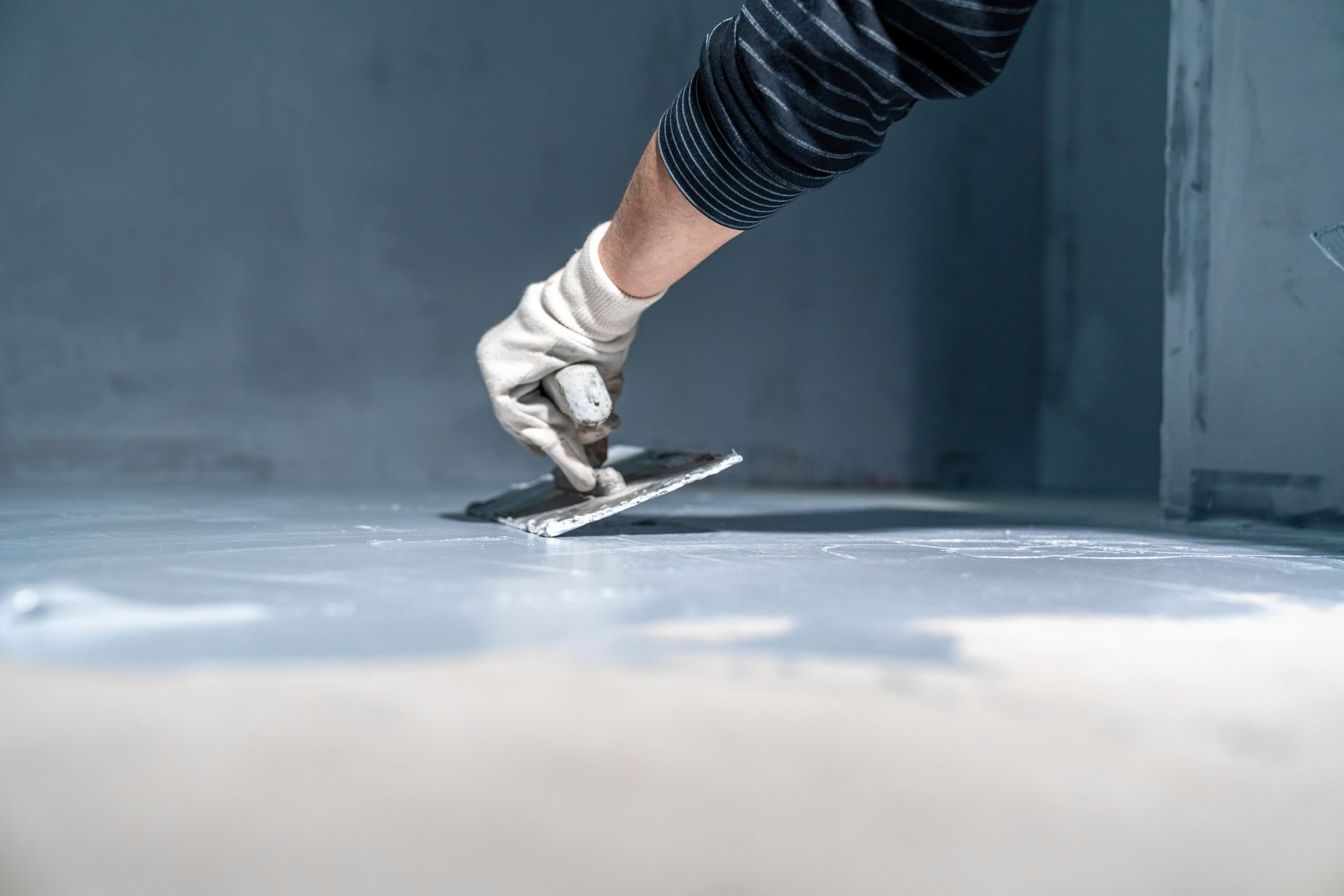
One of the most important parts of a bathroom renovation is also one of the parts you'll probably never see again after the bathroom is finished: The waterproofing. Homeowners naturally focus on the visible parts of a renovation. Tile. Grout color. Vanity. Fixtures. Shower glass. Lighting. Those things matter. But a beautiful shower with inadequate waterproofing can become a very expensive problem. Tile Is Not the Waterproofing System This is probably the biggest misconception homeowners have about tiled showers. Tile itself isn't what protects the structure of your home from water. Neither is grout. A properly constructed shower has a system behind the finished surface designed to manage water and keep it from reaching the framing and other areas where it doesn't belong. The tile is the finish. The waterproofing is the protection underneath it. Why Does This Matter So Much? Think about how much water hits a shower over its lifetime. Potentially thousands upon thousands of showers. Water repeatedly hits walls, corners, the shower floor, the curb, niches and penetrations around plumbing fixtures. A small weakness that doesn't cause an obvious problem during the first month can become a much larger issue over time. That's why waterproofing isn't a place where shortcuts make sense. Niches and Benches Require Attention Everyone loves shower niches. They're convenient, they eliminate hanging shower caddies and they can look fantastic. But a niche also creates additional corners and transitions inside a wet area. The same applies to benches. These details need to be incorporated into the waterproofing system correctly. A complicated shower can be beautiful, but every added feature needs to be constructed with water management in mind. The Shower Floor Is Especially Important The shower floor has one job that matters more than almost anything else: Get water to the drain. Proper slope is critical. Water shouldn't be sitting in random low spots because the floor wasn't prepared correctly. The drain connection, shower pan and surrounding waterproofing need to work together as a system. This isn't the area to improvise. What Happens When Waterproofing Fails? Unfortunately, water damage doesn't always announce itself immediately. You may not see water pouring through the ceiling below the first week. Problems can develop gradually. You might eventually see: Loose tile Discolored grout Swollen trim Soft flooring Water staining Deteriorated framing Damage to the ceiling below By the time the visible symptoms appear, the problem may have existed behind the finished surfaces for quite some time. Ask Your Contractor What's Behind the Tile When comparing bathroom estimates, homeowners often focus almost entirely on what they can see. Instead, ask: “How are you waterproofing my shower?” A bathroom contractor should be able to explain the system being used and how the shower is constructed. You don't need to become a waterproofing expert. But you should understand that there is an actual process behind the finished tile. This Is Why Two Tile Quotes Can Be Very Different Homeowners sometimes receive two estimates and wonder why one contractor's shower work costs considerably more. There can be many reasons. But one thing worth investigating is what each contractor is actually including behind the tile. Two finished showers can look almost identical on the day they're completed. The difference may become apparent years later. That's why comparing bathroom estimates solely by the final price can be misleading. Waterproofing Isn't the Exciting Part—Until It Fails Nobody invites their friends over and says: “Come look at the waterproof membrane behind my shower tile.” You can't see it. But that's exactly the point. Once the bathroom is finished, you shouldn't have to think about it again. A successful bathroom renovation isn't just one that looks beautiful when the final photographs are taken. It's one that continues performing properly years later. Next week we'll talk about another part of bathroom renovation that homeowners understandably worry about: What problems can be found once an old bathroom is demolished?
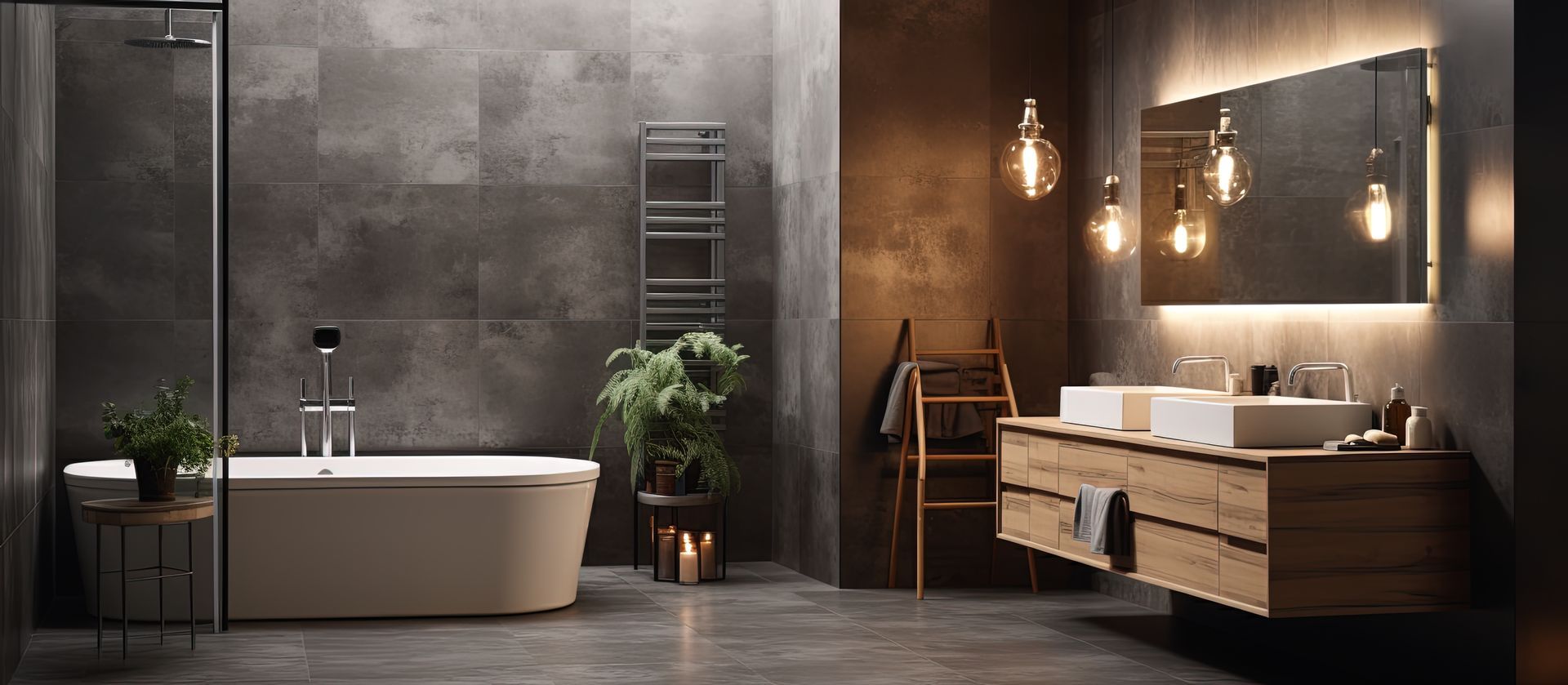
Need bathroom remodeling services in Southampton, PA? Davidson & Son delivers expert design-to-build results. Call (215) 880-2830 for a free estimate today.
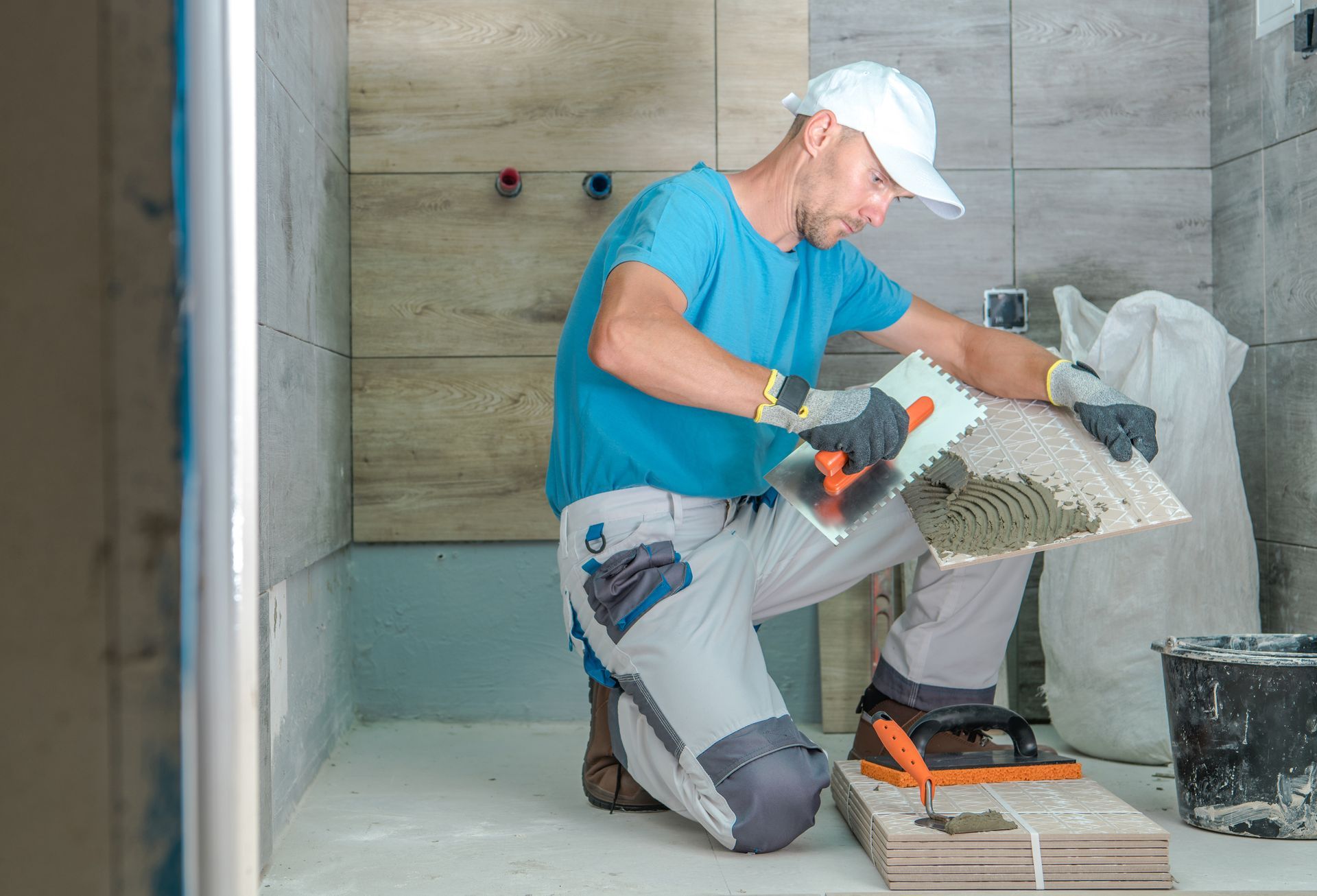
Need a trusted bathroom remodeling contractor in Southampton, PA? Call Davidson & Son at (215) 880-2830. 20+ years of local experience. Free estimates.
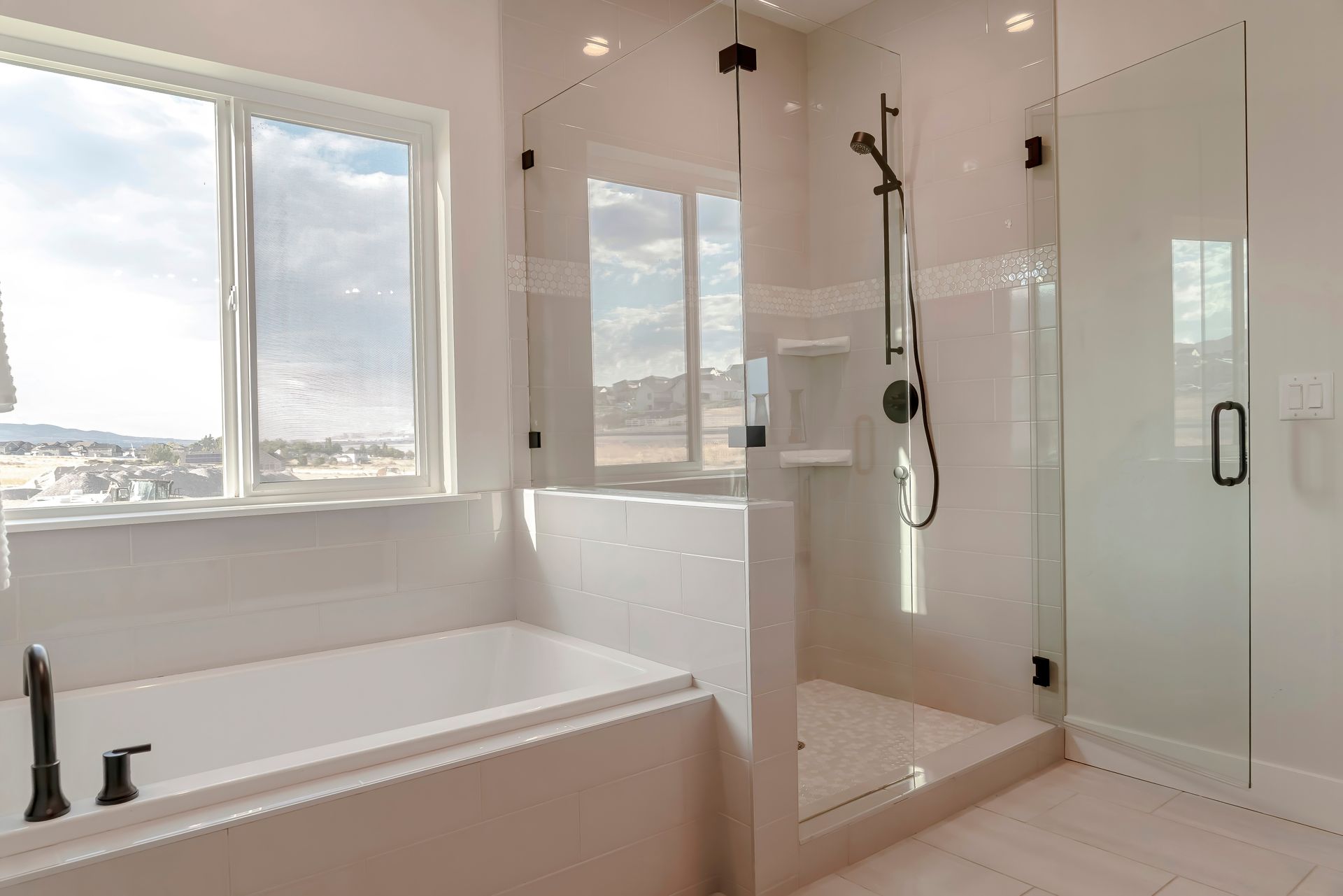
One of the biggest decisions homeowners make during a bathroom renovation is: “Do I really need this bathtub?” For years, having a bathtub—especially in a master bathroom—was almost considered mandatory. Then came the large soaking tubs and corner whirlpool tubs that became extremely popular in suburban homes. Today, I regularly meet homeowners who have one of those tubs and tell me essentially the same thing: “We never use it.” Meanwhile, the shower they use every morning may be considerably smaller than the bathtub sitting next to it. So should you keep the tub or use that valuable space to create a larger shower? Start With How You Actually Live Forget trends for a moment. How often do you use your bathtub? If you genuinely enjoy taking baths several times a week, removing the bathtub probably doesn't make sense simply because walk-in showers are popular. Your bathroom should work for you. But if you haven't filled the bathtub in three years, that's different. You're dedicating a substantial amount of bathroom space to something you don't use. That's when I start looking at what else we could accomplish with that square footage. A Larger Shower Can Completely Change a Bathroom Removing an unused tub can sometimes provide enough space for a much larger shower. Instead of stepping into a small enclosed shower every morning, you may be able to create a shower with: More elbow room A built-in bench A niche for shampoo and soap A handheld shower wand Additional shelving Custom glass Better lighting Those are improvements you'll potentially use every single day. That's an important distinction. A bathroom renovation shouldn't simply replace old things with new things. It should improve how the room functions. What About Resale? This is usually the next question. “Won't removing my bathtub hurt the value of my house?” It depends on the house. If you're removing the only bathtub in a family home, I would think about it. Families with small children often appreciate having at least one bathtub in the house. With that being said if you did take out the only tub your house would still be in “sellable” condition. But if you have another full bathroom with a tub and you're renovating the primary bathroom, the decision can be very different. A large, well-designed walk-in shower can be extremely attractive to future buyers. There is a difference between removing every bathtub from a home and removing one unused tub from a master bathroom. Think About Aging in Place Another advantage of a shower is accessibility. Climbing over the side of a bathtub may not bother you today. Ten or fifteen years from now, it might. A lower-entry shower combined with a bench, handheld shower and properly positioned grab bars can make the bathroom considerably easier to use later without making it look institutional today. If you're planning to stay in your home long-term, that's worth considering. Don't Remove the Tub Just Because It's Trendy Walk-in showers are popular, but popularity alone isn't a good reason to remove something you enjoy. I would never tell someone who loves baths to eliminate their bathtub because a design trend says they should. There are also bathrooms large enough to have both. In those situations, the answer may be to improve the shower while keeping a properly sized freestanding or soaking tub. The key is using the available space intelligently. Large Corner Tubs Deserve Special Consideration If your home was built or renovated during the era when oversized corner tubs were popular, take a hard look at how much room that fixture consumes. Some of these tubs take up an enormous amount of floor space. If it's used regularly, great. If it's not, removing it can open up possibilities that weren't available with the original layout. I've seen bathrooms where eliminating that one fixture completely changed the proportions of the room. So, Which Is Better? Neither. The better choice is the one that fits the way you use your home. If you love baths, keep a bathtub. If the tub hasn't been used in years and the shower is undersized, consider reallocating that space. If this is the only bathtub in a family-oriented home, think carefully before removing it. And if you have enough room, you may not have to choose at all. Before making the decision, ask yourself: Am I designing this bathroom around the way I actually live—or around what I think a bathroom is supposed to have? That answer usually makes the decision much easier. Next week we're going behind the tile to discuss something homeowners rarely see but absolutely need to understand: What should I know about waterproofing before remodeling my bathroom?
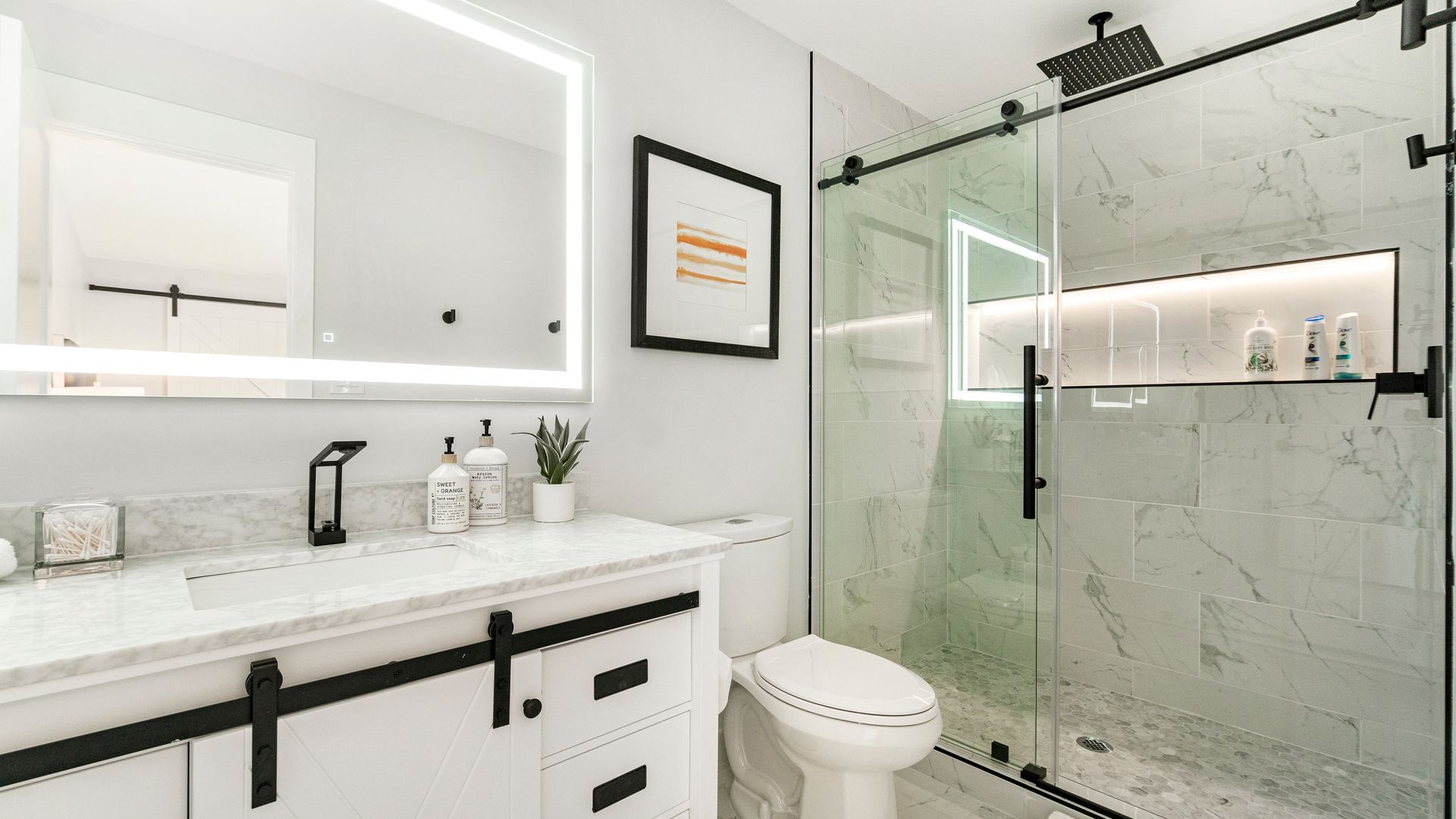
One of the first questions homeowners ask once they decide to renovate their bathroom is: “How long is this going to take?” It's an important question. A bathroom renovation isn't happening in a part of your house that you can simply forget about while the work is being done. If it's your main bathroom, you may need to make other arrangements for showering. Even if you have another bathroom available, you're still dealing with construction, workers coming and going, materials being delivered and part of your home temporarily being out of service. The problem is that there isn't one timeline that applies to every bathroom. A straightforward bathroom renovation may take a couple weeks. A larger master bathroom with significant layout changes, custom tile, inspections and custom glass can take considerably longer. So what actually determines how long your bathroom renovation will take? The Size of the Bathroom Isn't Everything Homeowners sometimes assume that a small bathroom should automatically be a quick bathroom. That's not necessarily true. A 5'x8' bathroom may contain a bathtub or shower, toilet, vanity, plumbing, electrical, flooring, lighting, ventilation and tile work. Even though the room is small, almost every trade involved in a larger bathroom may still need to work there. A larger bathroom certainly has more square footage, but the complexity of the project often has a greater impact on the schedule than the physical size of the room. Demolition Is Usually the Fast Part Taking an old bathroom apart can happen relatively quickly. Building the new bathroom correctly is what takes time. After demolition, we can finally see what's behind the walls and underneath the floor. That's when framing, plumbing, electrical and subfloor conditions can be evaluated. If everything is in good condition, the project moves forward. If we discover water damage, deteriorated plumbing, damaged framing or an improperly constructed previous renovation, those issues need to be addressed before covering everything back up. There Is a Sequence to Bathroom Construction A bathroom isn't built by completing ten unrelated tasks whenever it's convenient. There is an order. Demolition needs to happen before rough plumbing. Rough plumbing and electrical generally need to happen before walls are closed. Shower preparation and waterproofing need to happen before tile. Tile needs appropriate setting time before certain finishing work can continue. Trying to rush that sequence doesn't necessarily make the project more efficient. Sometimes it simply creates problems. Tile Work Takes Time Custom tile work is one area where homeowners are sometimes surprised by the amount of time involved. Installing tile isn't simply sticking pieces of tile to a wall. The substrate needs to be properly prepared. The shower needs to be waterproofed. Layout needs to be planned. Tile needs to be cut and installed correctly around niches, benches, valves, corners and other details. Then grout and finishing work need to be completed. The more detailed the shower design, the more labor is involved. Custom Shower Glass Usually Comes Later If your project includes custom shower glass, final measurements typically need to be taken after the tile work is substantially completed. That means the glass can't necessarily be ordered months ahead based solely on the original room dimensions. The actual finished opening matters. Fabrication and installation of custom glass can therefore extend beyond the primary construction portion of the bathroom. This is something homeowners should know before the project starts rather than discovering it near the end. Material Availability Can Affect the Schedule A contractor can control workmanship and scheduling. We can't manufacture a backordered vanity, shower valve or special-order tile. This is why I prefer having major materials selected and, whenever practical, available before reaching the point where they're needed. Starting demolition and then deciding what vanity, tile or plumbing fixtures to purchase can create completely avoidable delays. Planning before construction is one of the easiest ways to keep a bathroom renovation moving. Inspections Can Also Affect Timing Depending on the scope of the renovation and the municipality, permits and inspections may be required. The contractor doesn't necessarily control exactly when an inspector is available. Good scheduling accounts for this instead of pretending inspections don't exist. Be Careful With Extremely Fast Promises Everyone wants their bathroom finished quickly. I understand that. But speed shouldn't be the only measurement of a successful bathroom renovation. If one contractor tells you a detailed renovation will take several weeks and another tells you the same project will be completed in a fraction of that time, ask what is different. Maybe the second contractor has a legitimate system that allows the work to move faster. Or maybe important steps aren't included. The goal isn't to make a bathroom take longer than necessary. The goal is to give each stage the time it needs while keeping the project moving efficiently. So, How Long Should You Expect? For many standard bathroom renovations, a few weeks is a reasonable expectation. More complicated bathrooms can take longer. Instead of focusing exclusively on an exact number of days, ask your contractor about the sequence of work. Ask: What happens first? What could delay the project? Are the materials available? When does custom glass get measured? Are inspections required? A realistic schedule with good communication is far more valuable than an unrealistic completion date designed to win the job. Next week we'll answer another question homeowners frequently struggle with: Should I keep a bathtub or replace it with a walk-in shower?

One of the first decisions you’ll make when planning a bathroom renovation is whether to work with the layout you already have or completely rethink the space. It sounds like a simple decision, but it can have a major impact on both the finished bathroom and the overall cost of the renovation. Over the years, I’ve seen plenty of bathrooms where keeping the existing layout made perfect sense. I’ve also seen bathrooms where changing the layout was the single biggest improvement we could make. So how do you know which is right for your bathroom? Start With One Question: What’s Wrong With the Bathroom You Have? Before choosing tile, vanities, faucets or colors, think about what you actually dislike about your current bathroom. Is it simply outdated? Or does the bathroom not function well? Those are two very different problems. If your toilet, vanity and tub or shower are already in good locations and the bathroom functions well, there may be very little reason to start moving plumbing around. You can completely transform the appearance of a bathroom while leaving the major fixtures in essentially the same locations. On the other hand, if you’ve spent the last 15 years walking around a giant bathtub that nobody uses to get into a shower that’s too small, replacing everything in exactly the same locations doesn’t solve the real problem. You’re essentially building a brand-new version of a layout you already don’t like. Keeping the Existing Layout Usually Saves Money There is a financial advantage to keeping a bathroom’s basic layout. Moving a vanity a few inches is one thing. Relocating a toilet, shower drain or bathtub to the opposite side of the room is something completely different. Depending on the construction of the house, moving fixtures can involve opening floors and walls, relocating supply and drain lines, modifying framing and completing additional plumbing work. That doesn’t mean plumbing should never be moved. It simply means there should be a good reason for spending the additional money. If moving a fixture $2,000 or $3,000 worth of plumbing work only makes the bathroom marginally better, I would question whether that’s the best place to spend the renovation budget. But if that same change allows you to create the large walk-in shower you’ve wanted for years, improve traffic flow and make the bathroom substantially more functional, it may be money very well spent. The Big Soaking Tub Question One situation I see frequently in older suburban homes is the large soaking or corner bathtub. These were extremely popular in master bathrooms for years. The problem is that many homeowners rarely use them. Meanwhile, the shower next to that enormous bathtub may be surprisingly small. If you use your soaking tub regularly and enjoy it, there’s nothing wrong with keeping it. But if it’s basically become a very large place to collect towels and dust, it’s worth asking whether that square footage could be put to better use. Removing an unused tub can sometimes provide enough room for a substantially larger shower, a bench, additional storage or even a different vanity configuration. That’s an example of a layout change that can completely change how the bathroom is used every day. Moving the Toilet Can Be More Complicated Of all the fixtures in a bathroom, the toilet is usually one of the items I am least interested in moving unless there’s a good reason. A sink has relatively small supply and drain lines. A toilet requires a much larger waste line, and relocating it can become considerably more involved depending on joist direction and the plumbing below the bathroom. Sometimes moving the toilet makes an enormous difference and is absolutely worth doing. Other times, moving it twelve inches accomplishes very little while adding unnecessary expense. This is why bathroom layout decisions should be made before purchasing fixtures and finishes. Think About How You’ll Use the Bathroom 10 Years From Now A bathroom remodel should solve today’s problems, but it’s worth thinking ahead as well. For homeowners who plan to remain in their homes long-term, a renovation is a great opportunity to make the bathroom easier to use as they get older. That doesn’t mean your bathroom needs to look institutional. A larger shower, lower curb, built-in bench, handheld shower wand, properly positioned blocking for future grab bars and good lighting can all be incorporated into a beautiful bathroom. Some of these features are much easier to plan during a renovation than to add five or ten years later. Don’t Change a Layout Just Because You Can One mistake homeowners can make is assuming that a more expensive or extensive renovation automatically produces a better bathroom. It doesn’t. Sometimes the original builder actually got the layout right. If the bathroom has good traffic flow, sufficient storage and appropriately sized fixtures, leaving the plumbing where it is can allow more of the budget to go toward the things you’ll actually see and use. That could mean better tile, a higher-quality vanity, upgraded plumbing fixtures, custom shower glass, improved lighting or other features. There’s nothing wrong with spending money on a layout change when it improves the bathroom. There’s also nothing wrong with saying, “This layout works. Let’s spend the money somewhere else. Don’t Keep a Bad Layout Just to Save Money The opposite mistake can be even more expensive. A quality bathroom renovation should last many years. If you’re already investing significant money into removing the old bathroom, waterproofing the shower, installing tile, replacing fixtures and finishing the space, this may be the best opportunity you’ll ever have to correct a layout you don’t like. Saving money today isn’t much of a bargain if you finish the renovation and immediately wish you’d made the shower larger or moved the vanity. That’s why I encourage homeowners to look at the possibilities before automatically rebuilding what’s already there. So, Should You Keep Your Bathroom Layout? There isn’t one answer that applies to every bathroom. If the existing layout functions well, keeping it can save money and allow you to put more of your budget into finishes and upgrades. If the layout wastes space, has an undersized shower, lacks storage or simply doesn’t work for the way you live, changing it may be one of the best investments you make in the entire project. The important thing is to make that decision based on function—not just appearance. Before you start choosing tile and fixtures, take a good look at the room you already have and ask yourself: If everything in this bathroom were brand new tomorrow, but it was all in exactly the same place, would I be happy with it? If the answer is yes, you probably have a good layout to work with. If the answer is no, now is the time to figure out why. Next week we’ll answer another question homeowners ask all the time: How long does a bathroom remodel really take?
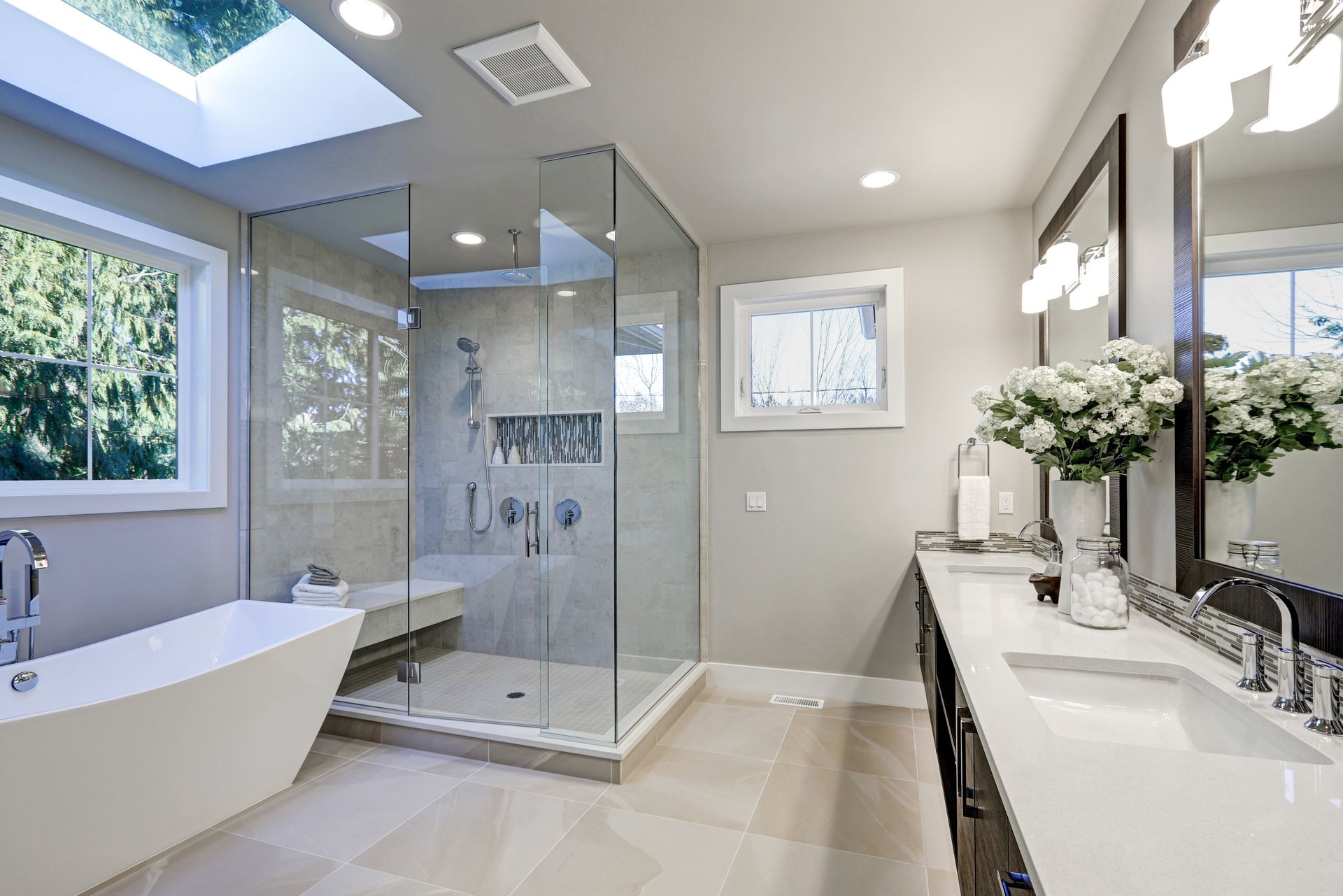
Wondering what a bathroom remodel costs in Bucks County? Davidson & Son, serving Feasterville, PA, offers free estimates. Get expert guidance today.
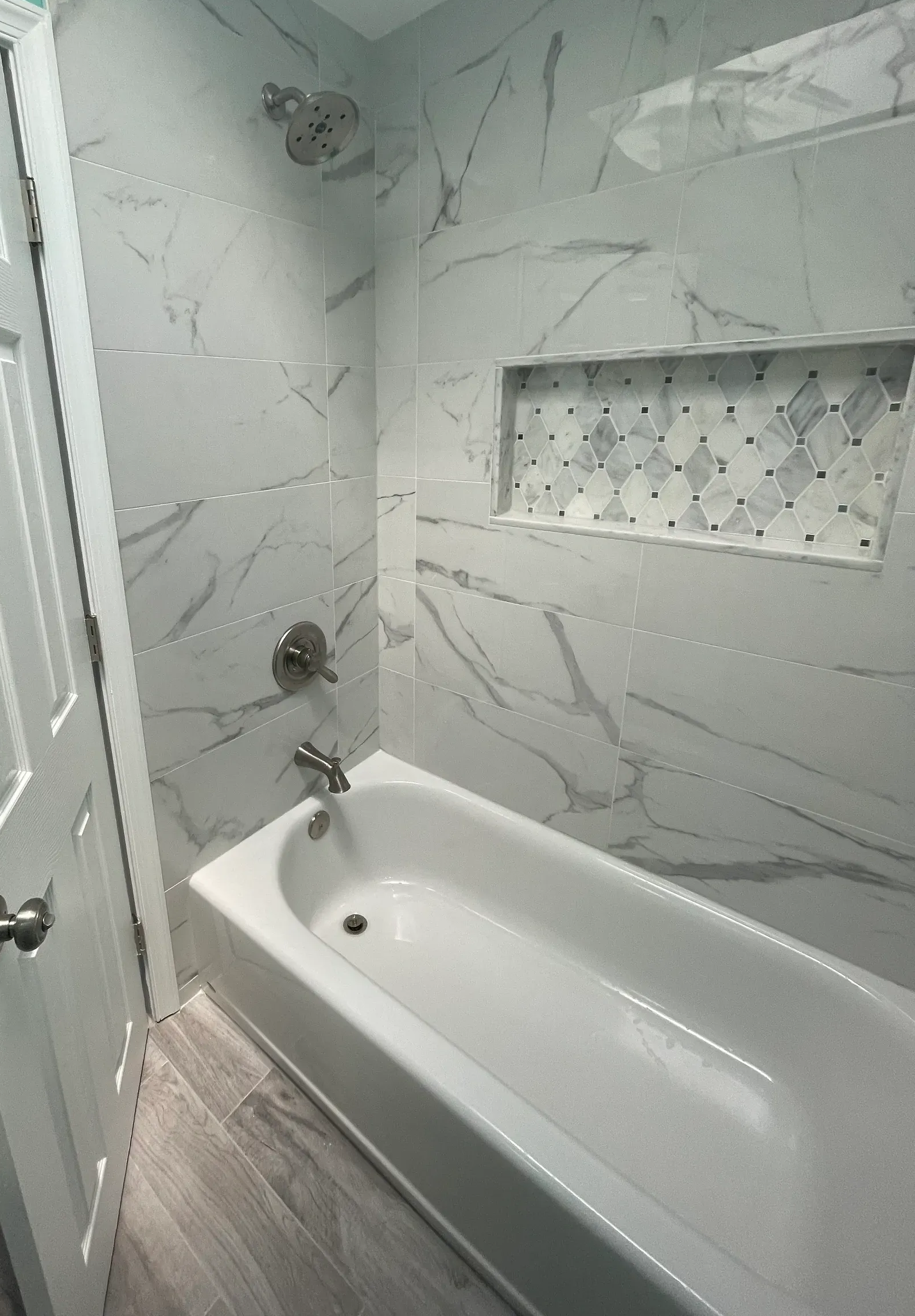
🧠 What Most Homeowners Don’t Realize Here’s where things get real. Most people come into a bathroom remodel thinking: I just want to update it But what they actually want is: A bathroom that works better A space that feels clean and modern Something they won’t have to redo in 5 years 👉 That’s the difference between a cheap remodel and a smart investment. ⚠️ The Biggest Mistake People Make Trying to save money in the wrong places. Common examples: Choosing cheaper materials that don’t last Skipping proper waterproofing Hiring based on lowest price 👉 These decisions usually cost more in the long run. 🏡 What Should You Budget? A good rule of thumb: If you want something quick → stay in the lower range If you want something solid and long-lasting → mid-range If you want something custom and high-end → upper range 👉 Most suburban homeowners today are investing in that middle-to-upper range for long-term value. ✅ Final Thoughts A bathroom remodel is one of the most valuable upgrades you can make to your home—but only if it’s done right. The real question isn’t just: “How much does it cost?” It’s: 👉 “What kind of bathroom do I want to live with every day?” 🔧 Thinking About Remodeling? If you’re considering updating your bathroom, the best place to start is with a clear plan and realistic expectations. Every home—and every bathroom—is different.
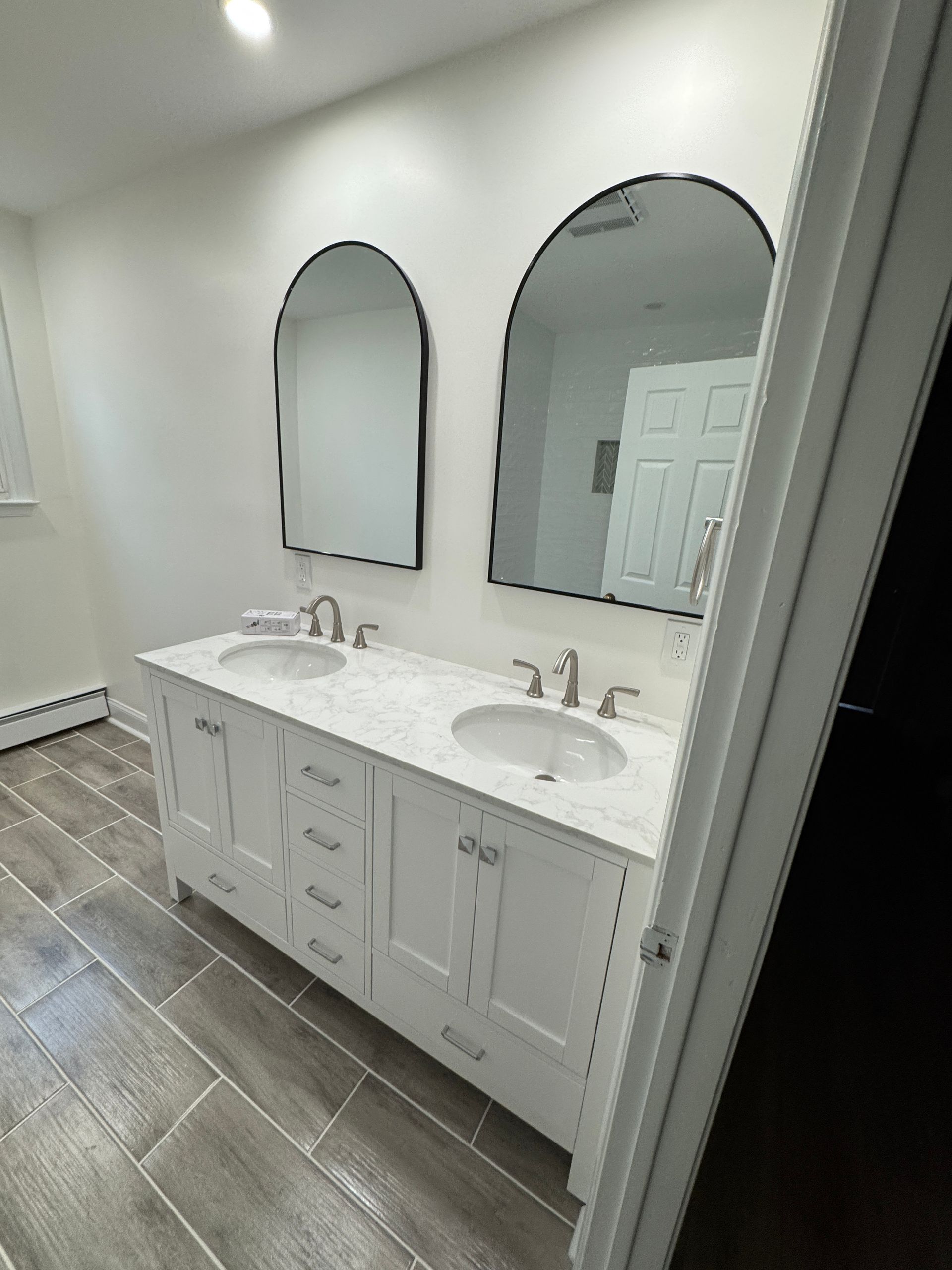
Discover what truly drives remodeling costs with expert insights from Davidson & Son. Learn how to budget wisely, avoid surprises, and plan your renovation with confidence. Contact us today!