
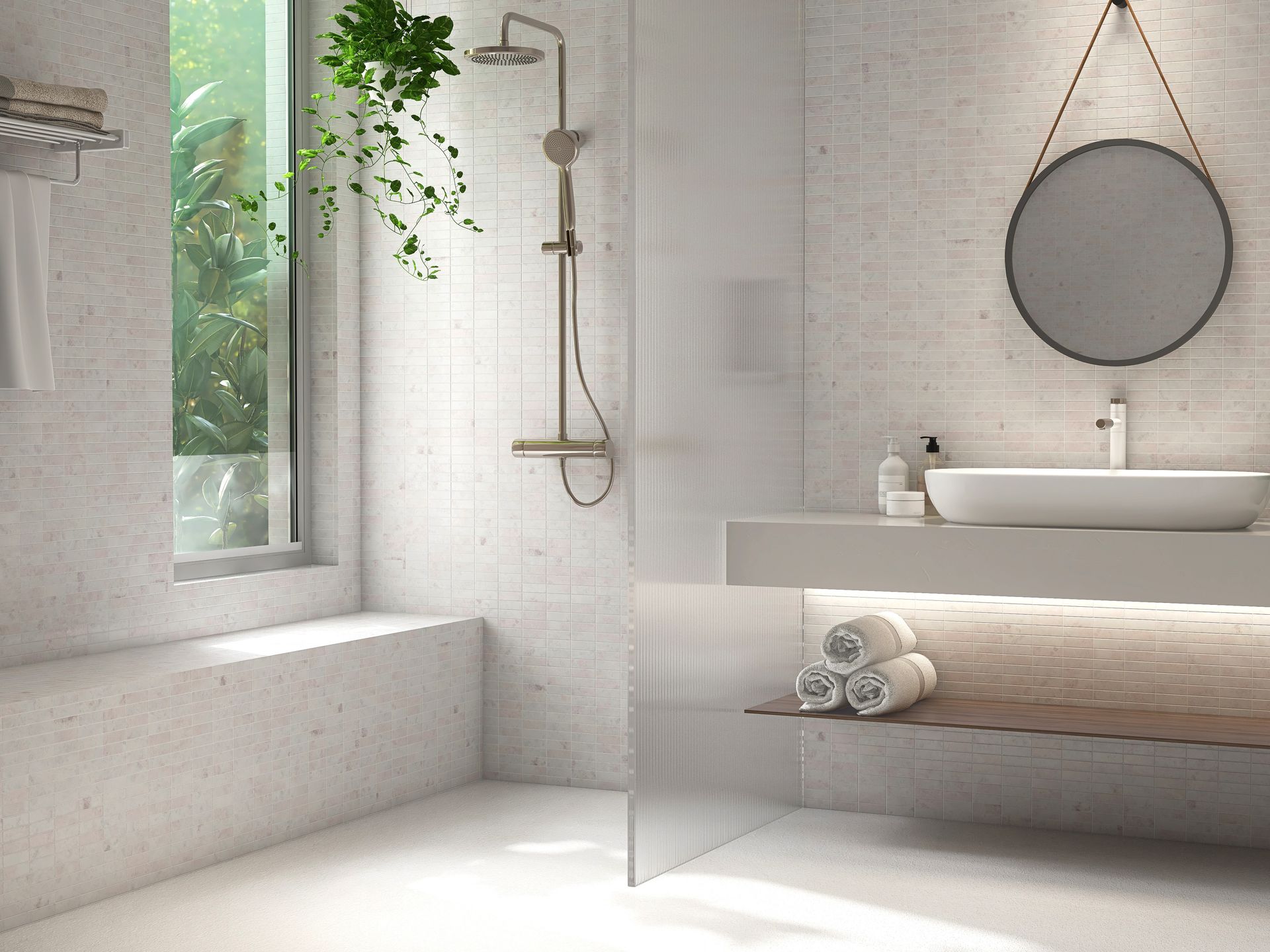
When homeowners hear the words “accessible bathroom,” they sometimes picture something institutional. It doesn't have to look that way. Many of the features that make a bathroom safer and easier to use can be incorporated into a modern bathroom so naturally that you barely notice them. And you don't have to wait until you need those features. If you're renovating a bathroom you expect to use for the next 10, 15 or 20 years, planning ahead can be extremely smart. Start With the Shower Entrance Stepping over a high bathtub wall becomes more difficult as people get older. That's one reason walk-in showers have become so popular. A low-entry or appropriately designed curbless shower can make access considerably easier. Even if mobility isn't an issue today, it's worth considering how the shower will function later. Grab Bars Don't Have to Look Institutional Modern grab bars are available in a variety of finishes and styles. They can coordinate with the rest of the bathroom instead of looking like something added as an afterthought. But there's an important detail: The wall needs proper support. During renovation, we have access to the framing. That's the perfect time to install blocking where future grab bars may be needed. Even if you don't install every grab bar today, preparing the walls can make installation much easier later. A Shower Bench Has More Than One Purpose A bench isn't only for someone with mobility limitations. It's useful for sitting, shaving, storing products or simply having a place to rest. It can also become increasingly valuable as homeowners age. A properly designed bench can look like an intentional luxury feature rather than a medical accommodation. Handheld Shower Wands Are Extremely Useful A handheld shower is one of those upgrades people often appreciate more after they have one. It can make showering easier. It's useful when sitting on a bench. It's helpful for cleaning the shower. It's even convenient for washing pets in certain situations. This is a perfect example of an accessibility feature that improves the bathroom for almost everyone. Consider the Flooring Bathroom floors get wet. Shower floors get very wet. Selecting appropriate flooring and shower tile with traction in mind is important at any age. A highly polished surface may look beautiful in a showroom but may not be the best choice for every wet location. Function should be part of the material-selection process. Lighting Becomes More Important Over Time Good bathroom lighting isn't only about appearance. Visibility matters. A dark shower, poorly illuminated floor or shadow-filled vanity becomes increasingly inconvenient as we age. Adding appropriate lighting during a renovation is considerably easier than trying to correct an inadequate lighting plan after everything is finished. Think About the Toilet Comfort-height toilets are popular with many homeowners because they're easier for some people to sit down on and stand up from. Again, this doesn't make the bathroom look institutional. Most people looking at the room wouldn't even notice. It's simply another decision that can make the bathroom easier to use. Accessibility Can Be Beautiful This is the larger point. You don't have to choose between a beautiful bathroom and a bathroom designed for long-term use. A large walk-in shower, elegant grab bars, bench, handheld shower, excellent lighting and thoughtful layout can look like luxury features. Because, in many ways, they are. Plan Before You Need It The easiest time to make these decisions is while the bathroom is already under construction. Adding blocking inside the walls during a renovation is relatively straightforward. Opening a completed tiled wall years later because nobody planned for a grab bar isn't. You don't need to design your bathroom around something that may happen twenty years from now. But if a simple decision today provides options later, it's worth considering. Next week we'll finish our bathroom renovation series with perhaps the most important decision of the entire project: How do I choose the right bathroom remodeling contractor?
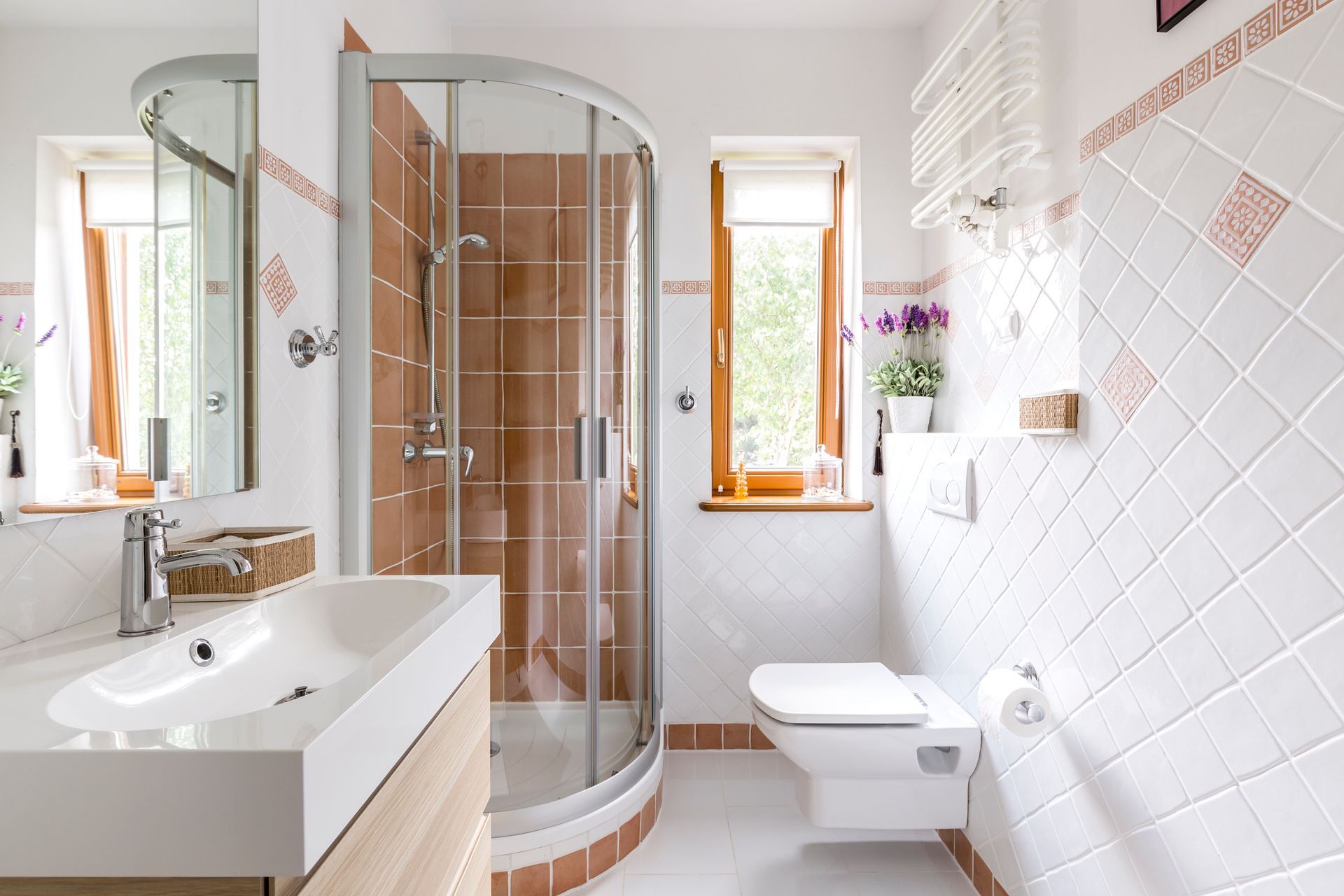
Every bathroom renovation has a budget. Even homeowners building a high-end bathroom need to decide where their money is going. The important question isn't: “How can I make everything cheaper?” It's: “Where does spending more money actually make a difference?” There are places where I would rather see a homeowner invest and other areas where spending considerably more may provide very little practical benefit. Start With What You Can't Easily Replace Later This is one of the simplest ways to prioritize a bathroom budget. Changing a mirror later is easy. Replacing a towel bar is easy. Changing the waterproofing behind an entire tiled shower is not. The things buried behind walls or permanently incorporated into the room deserve careful attention. Waterproofing Is Not Where I Would Cut Corners A shower needs to manage water properly. Period. Saving a relatively small amount of money on the construction behind thousands of dollars worth of finished tile doesn't make much sense. The waterproofing system, shower pan and preparation underneath the tile are investments in the longevity of the bathroom. You may never see them again. That's exactly why they matter. Invest in the Plumbing Fixtures You Use Every Day You don't necessarily need the most expensive faucet in the showroom. But there's value in purchasing quality plumbing fixtures from reputable manufacturers, particularly components that are installed inside the wall. Replacing a shower head is simple. Replacing a concealed shower valve can be considerably more involved. Think about accessibility for future service as well as appearance. Good Ventilation Is Worth It An exhaust fan isn't the glamorous part of a bathroom renovation. But controlling moisture is important. A properly sized and properly vented bathroom fan helps remove humid air from the room. That's beneficial for paint, finishes and the overall bathroom environment. I'd rather see money spent on good ventilation than on an expensive decorative accessory that provides no functional improvement. Lighting Can Completely Change the Room Lighting is frequently underestimated. A beautiful bathroom with poor lighting can still feel disappointing. Think about different types of lighting: General room lighting Vanity lighting Shower lighting Decorative lighting Good lighting improves both appearance and everyday function. Custom Glass Can Finish the Shower A well-designed tiled shower can lose some of its impact behind a bulky enclosure. Custom glass can create a cleaner appearance and showcase the tile work. It isn't necessary for every budget, but for homeowners trying to create a higher-end finished bathroom, shower glass is one area that can make a noticeable visual difference. Storage Is Worth Planning A bathroom can look beautiful in photographs and become frustrating six months later if there's nowhere to put anything. Vanity drawers, cabinets, niches and shelving aren't glamorous structural upgrades, but they affect daily life. Think about where your toothbrush, hair dryer, towels, medications, shampoo and cleaning supplies will actually go. Good design includes the boring stuff. Heated Floors: Luxury or Worth It? This depends entirely on the homeowner. If you hate stepping onto a cold tile floor in winter, heated flooring may be one of your favorite upgrades. If it doesn't matter to you, that money may be better spent elsewhere. That's the difference between an upgrade and a requirement. Spend money on luxuries you'll actually appreciate. Where Can You Save? Not every item needs to be premium. Accessories, mirrors and certain decorative finishes can often be changed later without disturbing the bathroom. That's where you may have more flexibility. I would rather build the important parts correctly and install a moderately priced mirror than compromise the construction so we can purchase an extremely expensive mirror. Spend According to Longevity and Use When prioritizing a bathroom budget, ask two questions: How difficult will this be to change later? and How often will I use it? If something is buried inside the wall or used twice every day, quality matters. If it can be replaced with a screwdriver next Saturday, you have more flexibility. Next week we'll discuss how smart bathroom design can prepare your home for the future without sacrificing appearance: How can I make my bathroom safer without making it look like a handicap bathroom?
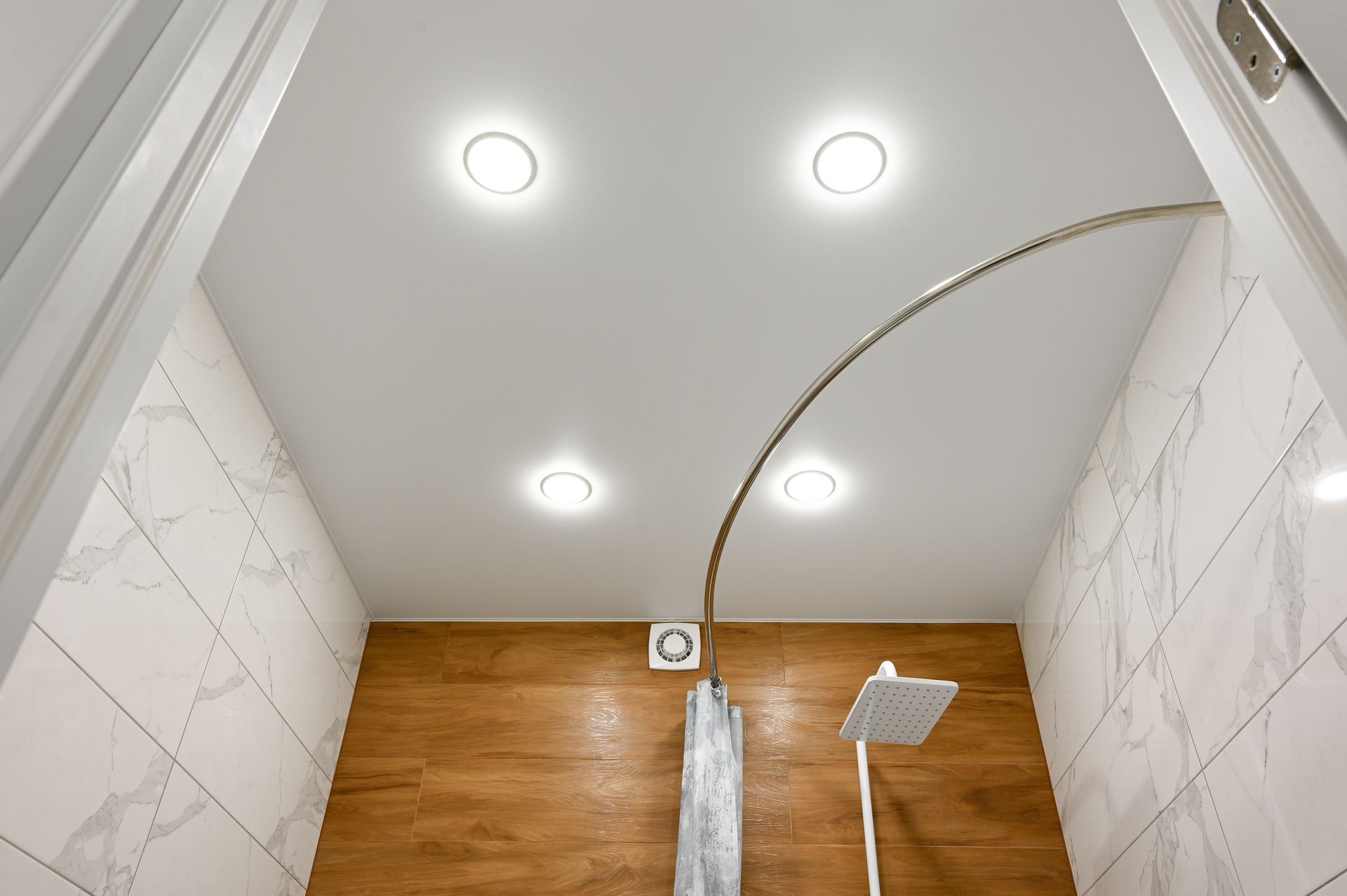
When planning a tiled shower, homeowners frequently ask: “Should we take the tile all the way to the ceiling?” My answer depends on the bathroom, but in many showers, full-height tile creates a cleaner and more finished appearance. That doesn't mean it's mandatory. Like most bathroom decisions, there are practical, visual and financial considerations. Full-Height Tile Can Make the Shower Feel More Complete Stopping tile at an arbitrary height creates a horizontal line across the wall. Taking the tile to the ceiling eliminates that transition and can make the shower feel taller and more intentional. This can be particularly effective in smaller bathrooms. Your eye follows the tile vertically rather than stopping partway up the wall. It Provides More Durable Coverage The upper portion of a shower wall may not receive the same amount of direct water as the lower portion, but it still exists in a humid environment. Extending the appropriate tile assembly higher gives you a durable, easy-to-clean finish throughout the shower area. This can be especially useful with taller shower heads or designs that create more splash. Ceiling Height Matters An eight-foot ceiling and a twelve-foot ceiling are very different situations. Taking tile to the ceiling in a typical bathroom may require relatively little additional material. In a room with unusually high ceilings, the added tile and labor can become more significant. That's when we need to evaluate whether full-height tile improves the design enough to justify the additional cost. Tile Size Matters Too The final layout should be planned before installation begins. You don't want to reach the ceiling and discover that the layout leaves an awkward sliver of tile at the top. Sometimes small adjustments at the beginning create a much better finished appearance. Good tile installation involves planning the entire wall—not simply starting at the bottom and hoping everything works out. What About Tiling the Ceiling Itself? That's a separate decision. In some showers, especially certain enclosed or highly customized designs, a tiled ceiling can look fantastic. But wall tile reaching the ceiling doesn't automatically mean the ceiling itself needs tile. The design, ventilation, ceiling height and shower configuration should all be considered. When Does Stopping Lower Make Sense? There are bathrooms where partial-height tile fits the design perfectly. A tub surround may be designed differently from a custom walk-in shower. Budget can also play a role. There's nothing inherently wrong with stopping tile below the ceiling when it's intentional and properly detailed. The key word is intentional . It should look like a design decision, not like somebody simply ran out of tile. The Extra Cost May Be Smaller Than You Think In a standard-height shower, the difference between stopping the tile somewhat below the ceiling and continuing the final distance may not involve a huge amount of additional material. Labor is still involved, of course. But considering how difficult it would be to extend the tile after the bathroom is completely finished, it's worth pricing the difference during the original renovation. Look at the Bathroom as a Whole Tile height affects how the entire room feels. A full-height shower can create a strong focal point, particularly when paired with good lighting and clean shower glass. But every bathroom is different. The goal isn't to follow a rule. It's to choose the option that looks intentional and works with the proportions of your room. Next week we'll address one of the most useful budgeting questions a homeowner can ask: What bathroom upgrades are actually worth spending more money on?
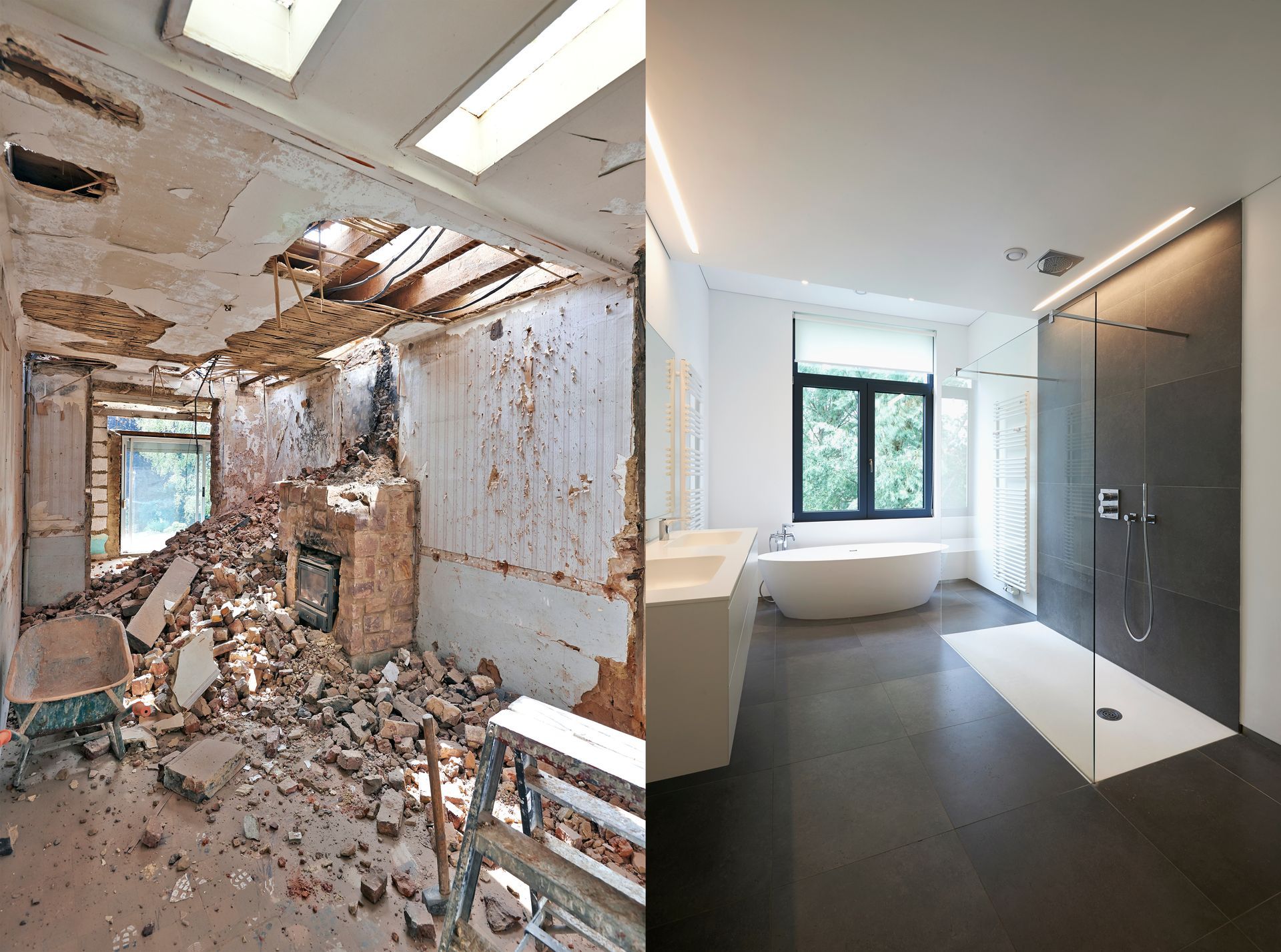
Planning bathroom renovations in Southampton, PA? Davidson & Son shares expert ventilation tips to protect your finishes. Call (215) 880-2830!
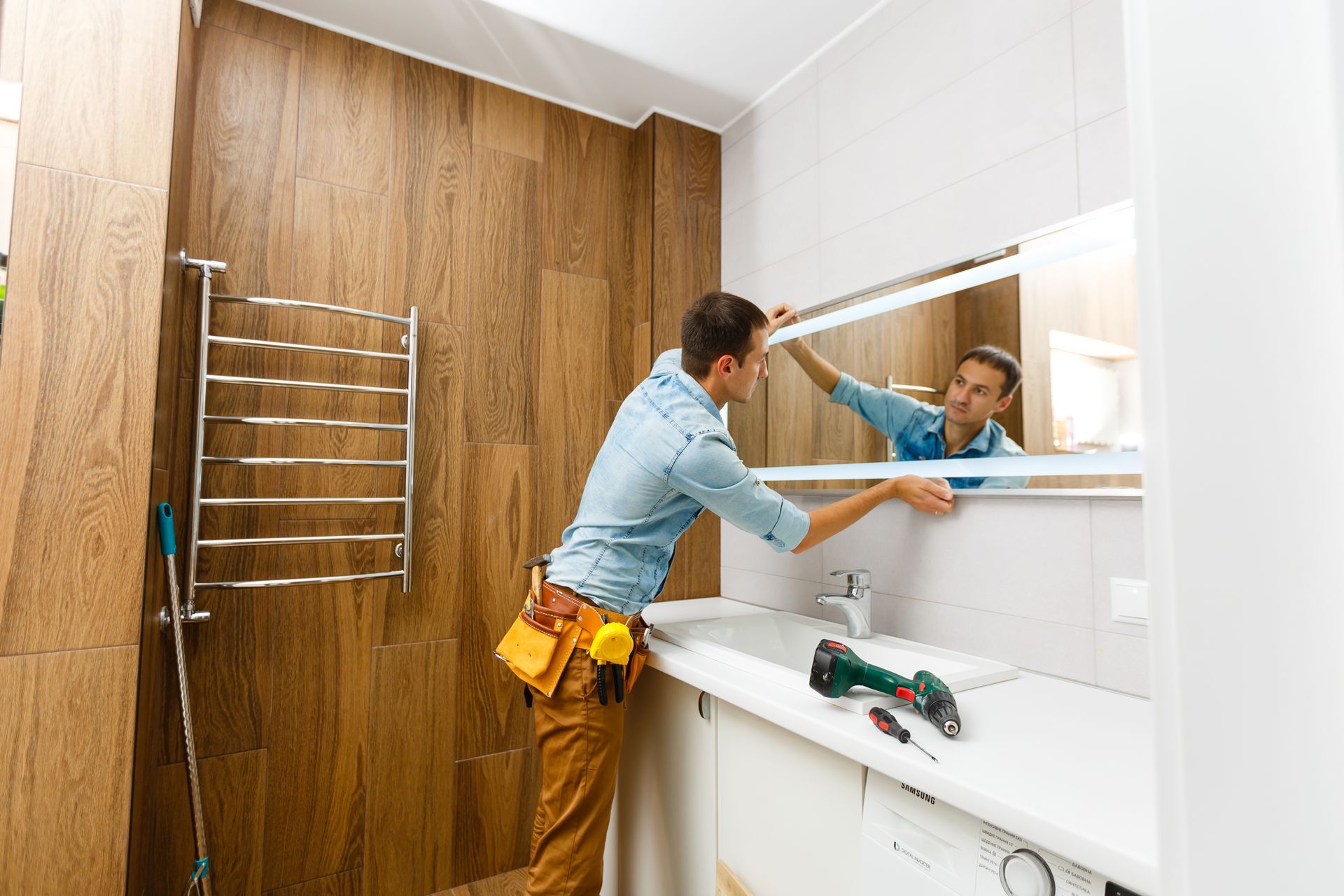
Need a bathroom remodeling contractor in Southampton, PA? Davidson & Son delivers expert vanity upgrades. Call (215) 880-2830 for a free quote!
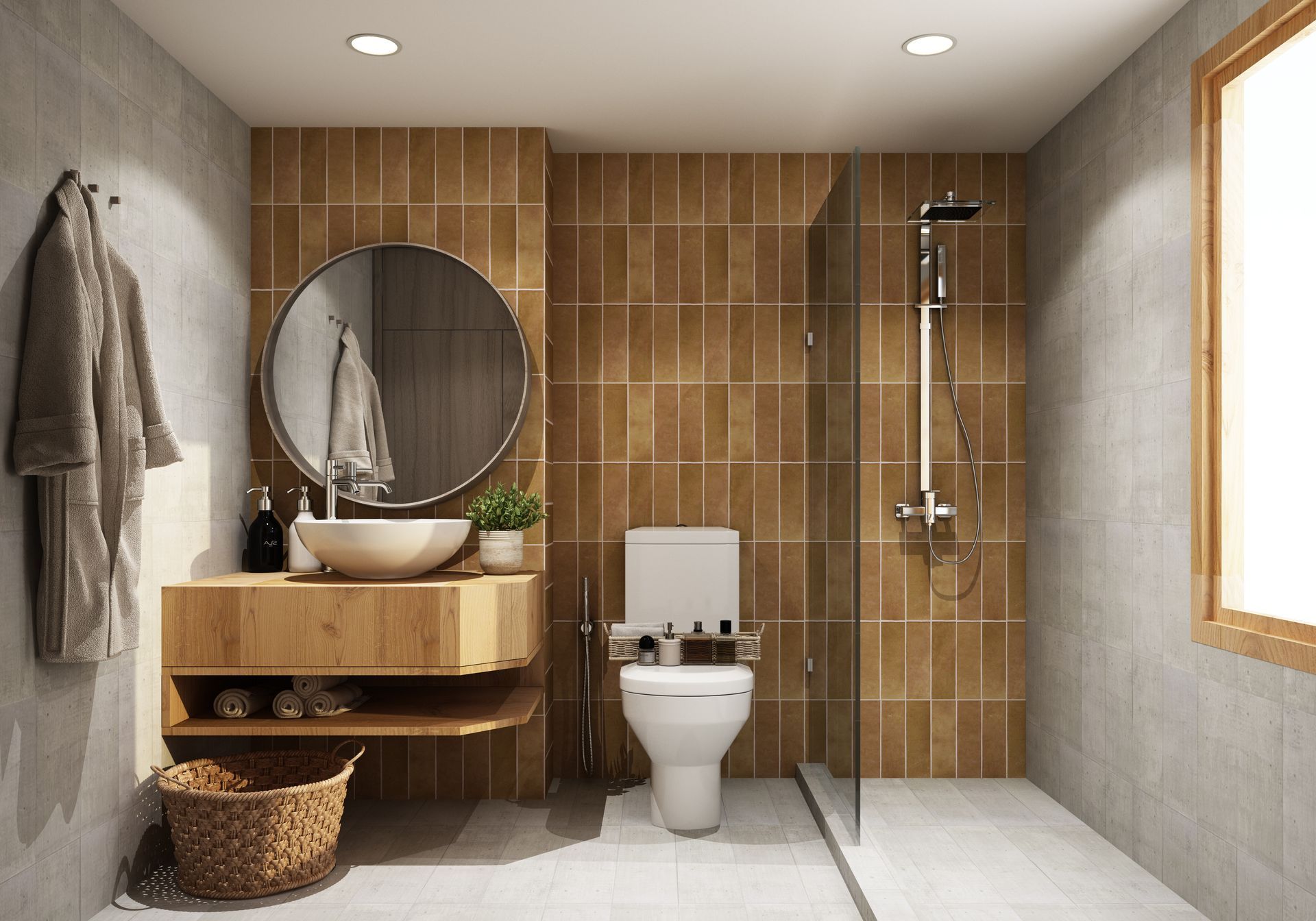
Choosing bathroom tile sounds like one of the fun parts of a renovation. Then you walk into a tile showroom. Suddenly you're looking at hundreds of colors, patterns, sizes, textures and finishes. And the question becomes: “How do I pick something I'm still going to like ten years from now?” That's a much better question than simply asking what's popular today. Trends Aren't Automatically Bad Every bathroom reflects the period when it was designed to some extent. There's nothing wrong with incorporating current styles. The problem comes when every major surface in the room is based on a strong trend. If your floor, shower walls, accent wall, vanity and fixtures are all competing for attention, the bathroom can feel dated much faster. A good bathroom usually has some restraint. Use Permanent Surfaces Carefully Think about which things are difficult and expensive to change. Shower tile is one of them. Paint is easy to change. Accessories are easy to change. Towels are easy to change. A fully tiled shower is not. That's why I generally like to be more thoughtful with permanent materials and allow easier-to-change items to carry some of the stronger trends. Large-Format Tile Can Create a Cleaner Look Larger tile has become popular for good reason. Fewer grout joints can create a cleaner, less visually busy surface. That can work especially well in smaller bathrooms where too many patterns and grout lines can make the room feel crowded. But bigger isn't automatically better. The proportions of the bathroom, shower dimensions and tile layout all matter. Don't Forget About Maintenance Homeowners understandably choose tile based on appearance. But you're also going to clean it. Highly textured surfaces may require more maintenance. Lots of small tile means more grout. Certain materials may require additional care or sealing. Before selecting a tile, ask yourself whether you're comfortable maintaining it. A showroom display never has shampoo residue on it. Your shower eventually will. Shower Floor Tile Has a Different Job The tile on your shower wall doesn't have exactly the same requirements as the tile beneath your feet. The shower floor needs appropriate traction and must work with the slope toward the drain. That can affect the tile size and material selected. Appearance matters, but function comes first. Grout Color Changes the Entire Look People sometimes spend hours selecting tile and five minutes selecting grout. Grout can dramatically change the finished appearance. A contrasting grout emphasizes every individual tile. A closer color match creates a more continuous surface. Neither is right or wrong. It depends on the look you're trying to achieve. Also consider maintenance. Extremely light grout on heavily used floors may require more attention. Be Careful With Too Many Accent Tiles Accent tile can make a niche or shower wall stand out beautifully. But it doesn't need to be everywhere. Sometimes one well-placed detail has more impact than four competing patterns. If everything is an accent, nothing is an accent. Bring the Whole Bathroom Together Don't select shower tile in isolation. Consider it alongside: Vanity color Countertop Floor Plumbing fixtures Wall color Lighting Shower glass A tile can look fantastic by itself and still be wrong for the overall bathroom. The goal isn't to select ten beautiful individual items. It's to create one beautiful room. Choose Something You Like—Not Something You're Told to Like At the end of the day, you're the person using the bathroom. If you genuinely love a particular style, that's important. Timeless doesn't have to mean boring. The goal is to find a balance between personality and longevity. A bathroom should feel current when it's completed without depending entirely on trends that may disappear in two years. Next week we'll tackle a tile question that comes up constantly during shower design: Should bathroom tile go all the way to the ceiling?
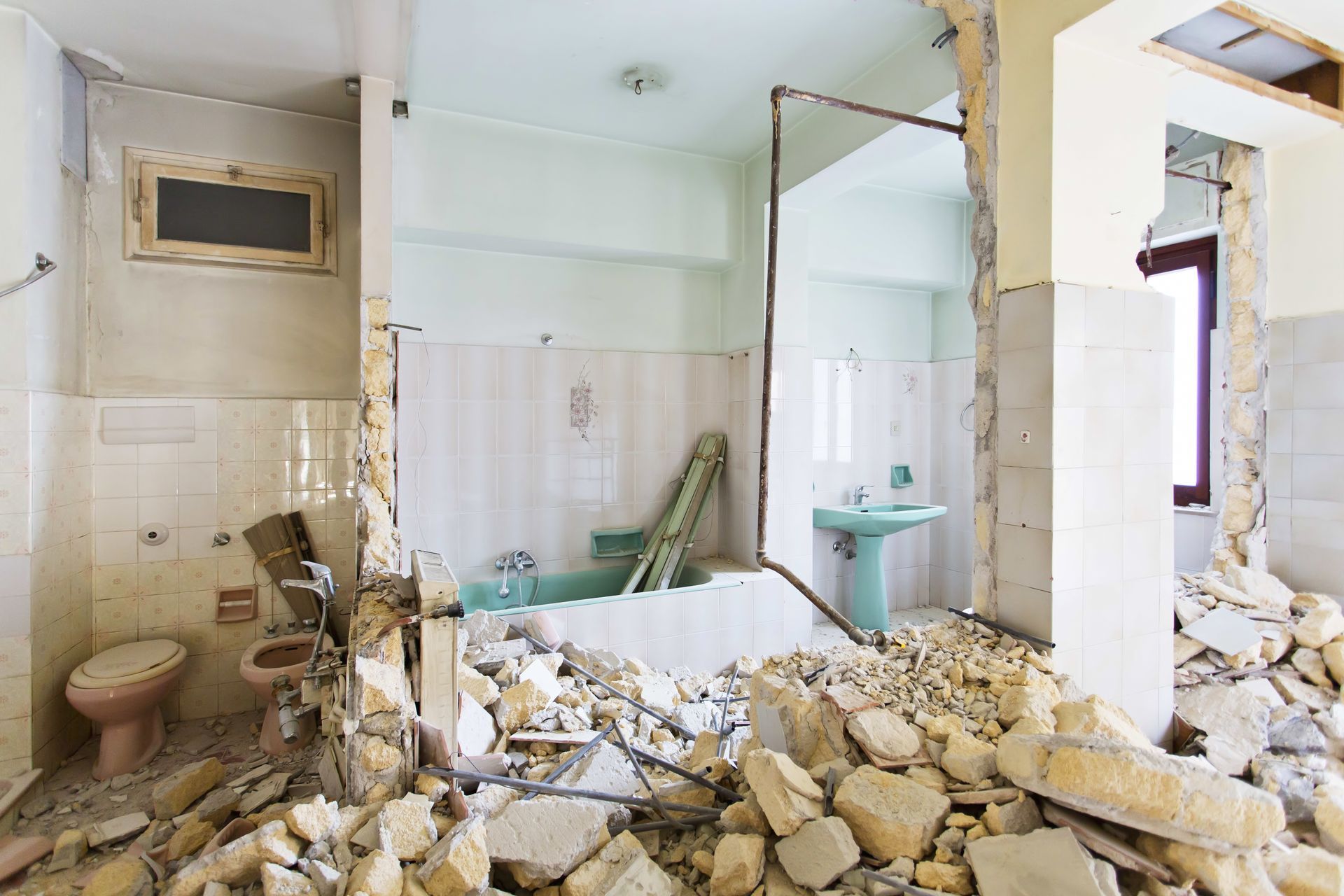
One of the biggest concerns homeowners have before a bathroom renovation is: “What are you going to find when you open the walls?” It's a legitimate concern. Before demolition, we can inspect the bathroom, look for obvious signs of water damage and evaluate what is visible. But no contractor has X-ray vision. Until the walls, floor and old shower or tub are removed, there are conditions that simply can't be completely evaluated. That doesn't mean every old bathroom is hiding a disaster. But homeowners should understand what can potentially be discovered and how those situations should be handled. Water Damage Is One of the Most Common Surprises Bathrooms are wet environments. If an old shower, bathtub, toilet or plumbing connection has leaked over time, there may be damage that isn't visible from the finished side of the bathroom. Once demolition begins, we may discover deteriorated plywood, damaged framing or evidence of an old leak that was never properly repaired. Sometimes the homeowner had no idea the problem existed. Previous Renovations Can Create Surprises An older bathroom may have been remodeled once—or several times—before you owned the house. Not every previous renovation was completed correctly. Once everything is opened, we may find unusual framing, improper plumbing repairs, inadequate electrical work or layers of old flooring installed over one another. The new bathroom shouldn't simply cover those problems again. If something needs to be corrected to properly construct the new bathroom, demolition is the time to address it. Old Plumbing May Need Attention Older homes can contain plumbing that has reached the end of its useful life or previous repairs that aren't ideal. If we're opening the walls anyway, it sometimes makes sense to address accessible problem areas rather than installing a beautiful new bathroom over questionable plumbing. That doesn't mean every pipe in the house needs to be replaced because you're renovating one bathroom. It means the exposed conditions should be evaluated intelligently. The Subfloor Matters Your finished bathroom floor is only as good as what's supporting it. After removing the existing flooring, we can properly evaluate the subfloor. If portions are damaged, soft or unsuitable for the new flooring system, they may need to be repaired or replaced. Installing expensive tile over a bad substrate isn't saving money. It's postponing a problem. What About Mold? Homeowners understandably become concerned when they hear the word mold. Moisture problems should be taken seriously, but not every dark mark behind a wall means the house has a catastrophic mold problem. The important thing is identifying the source of moisture, determining the extent of the affected area and handling the condition appropriately. Most importantly, you don't want to cover an active moisture problem with brand-new construction. How Should Unexpected Work Be Handled? This is where communication becomes extremely important. If a contractor discovers something that wasn't visible before demolition, the homeowner should understand: What was found Why it needs attention What needs to be done Whether it changes the price Whether it changes the schedule Unexpected work shouldn't simply appear as a mystery charge at the end of the project. Should You Have a Contingency Budget? For an older bathroom, it's wise to have some financial flexibility. That doesn't mean assuming something terrible will happen. It means understanding that renovation is different from new construction. We're working with a house that has a history. The older the home and the more previous work that has been done, the greater the possibility of finding something unexpected. Don't Be Afraid of Demolition Homeowners sometimes view demolition as the scary part. I look at it differently. Demolition gives us the opportunity to see what we're actually working with. If there's a problem, I'd rather find it while the bathroom is already apart than after the new tile, vanity and fixtures have been installed. The purpose isn't to find additional work. It's to make sure the new bathroom is being built on a solid foundation. Next week we'll move from what's hidden behind the walls to one of the most visible decisions you'll make: How do I choose bathroom tile that won't look dated in five years?
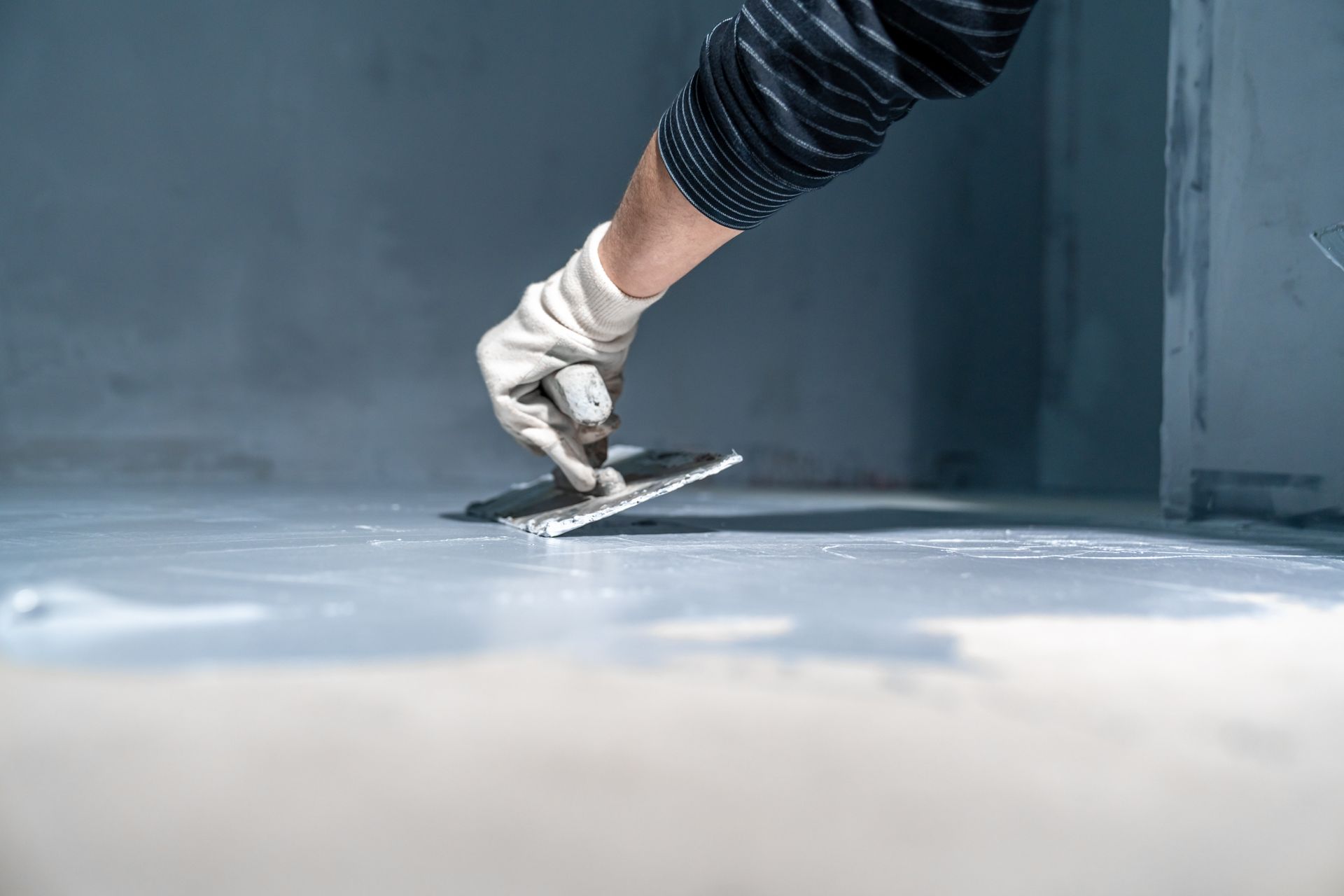
One of the most important parts of a bathroom renovation is also one of the parts you'll probably never see again after the bathroom is finished: The waterproofing. Homeowners naturally focus on the visible parts of a renovation. Tile. Grout color. Vanity. Fixtures. Shower glass. Lighting. Those things matter. But a beautiful shower with inadequate waterproofing can become a very expensive problem. Tile Is Not the Waterproofing System This is probably the biggest misconception homeowners have about tiled showers. Tile itself isn't what protects the structure of your home from water. Neither is grout. A properly constructed shower has a system behind the finished surface designed to manage water and keep it from reaching the framing and other areas where it doesn't belong. The tile is the finish. The waterproofing is the protection underneath it. Why Does This Matter So Much? Think about how much water hits a shower over its lifetime. Potentially thousands upon thousands of showers. Water repeatedly hits walls, corners, the shower floor, the curb, niches and penetrations around plumbing fixtures. A small weakness that doesn't cause an obvious problem during the first month can become a much larger issue over time. That's why waterproofing isn't a place where shortcuts make sense. Niches and Benches Require Attention Everyone loves shower niches. They're convenient, they eliminate hanging shower caddies and they can look fantastic. But a niche also creates additional corners and transitions inside a wet area. The same applies to benches. These details need to be incorporated into the waterproofing system correctly. A complicated shower can be beautiful, but every added feature needs to be constructed with water management in mind. The Shower Floor Is Especially Important The shower floor has one job that matters more than almost anything else: Get water to the drain. Proper slope is critical. Water shouldn't be sitting in random low spots because the floor wasn't prepared correctly. The drain connection, shower pan and surrounding waterproofing need to work together as a system. This isn't the area to improvise. What Happens When Waterproofing Fails? Unfortunately, water damage doesn't always announce itself immediately. You may not see water pouring through the ceiling below the first week. Problems can develop gradually. You might eventually see: Loose tile Discolored grout Swollen trim Soft flooring Water staining Deteriorated framing Damage to the ceiling below By the time the visible symptoms appear, the problem may have existed behind the finished surfaces for quite some time. Ask Your Contractor What's Behind the Tile When comparing bathroom estimates, homeowners often focus almost entirely on what they can see. Instead, ask: “How are you waterproofing my shower?” A bathroom contractor should be able to explain the system being used and how the shower is constructed. You don't need to become a waterproofing expert. But you should understand that there is an actual process behind the finished tile. This Is Why Two Tile Quotes Can Be Very Different Homeowners sometimes receive two estimates and wonder why one contractor's shower work costs considerably more. There can be many reasons. But one thing worth investigating is what each contractor is actually including behind the tile. Two finished showers can look almost identical on the day they're completed. The difference may become apparent years later. That's why comparing bathroom estimates solely by the final price can be misleading. Waterproofing Isn't the Exciting Part—Until It Fails Nobody invites their friends over and says: “Come look at the waterproof membrane behind my shower tile.” You can't see it. But that's exactly the point. Once the bathroom is finished, you shouldn't have to think about it again. A successful bathroom renovation isn't just one that looks beautiful when the final photographs are taken. It's one that continues performing properly years later. Next week we'll talk about another part of bathroom renovation that homeowners understandably worry about: What problems can be found once an old bathroom is demolished?
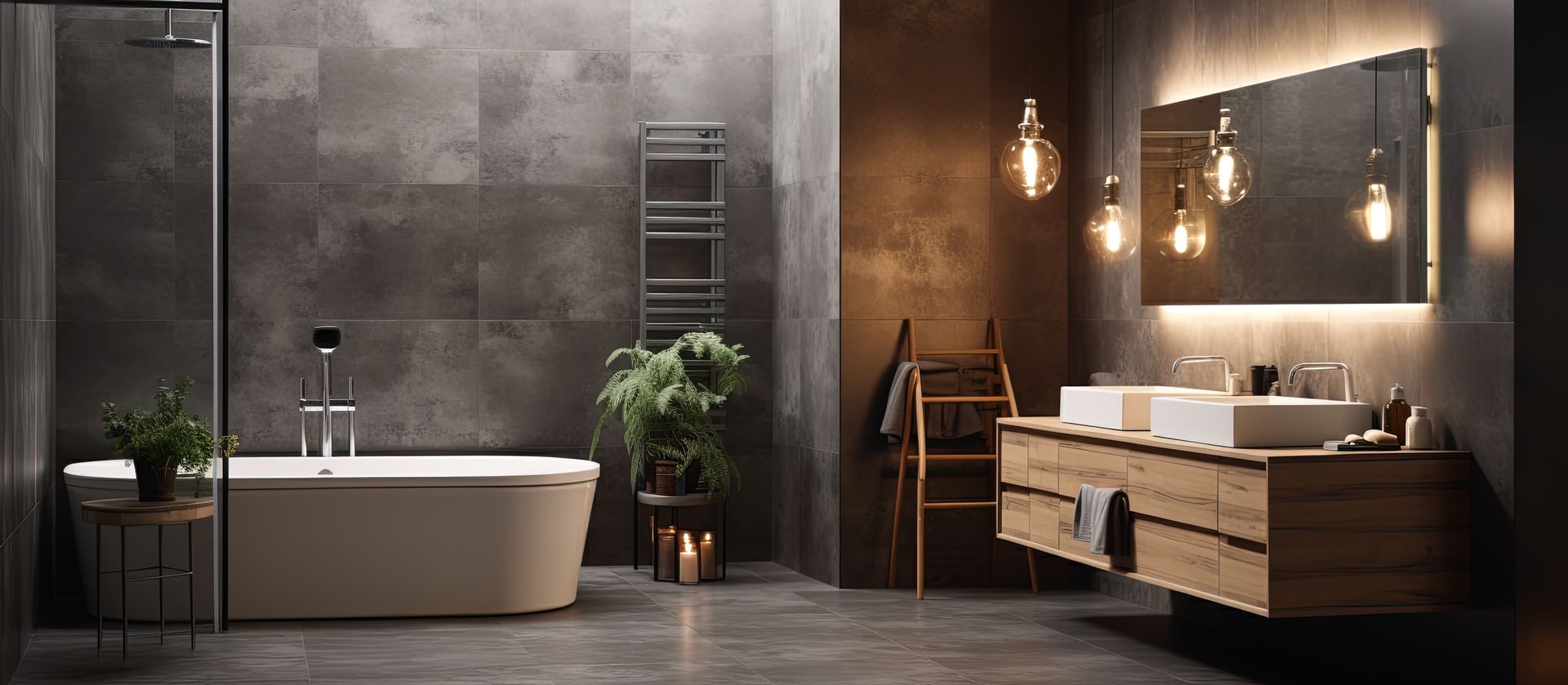
Need bathroom remodeling services in Southampton, PA? Davidson & Son delivers expert design-to-build results. Call (215) 880-2830 for a free estimate today.
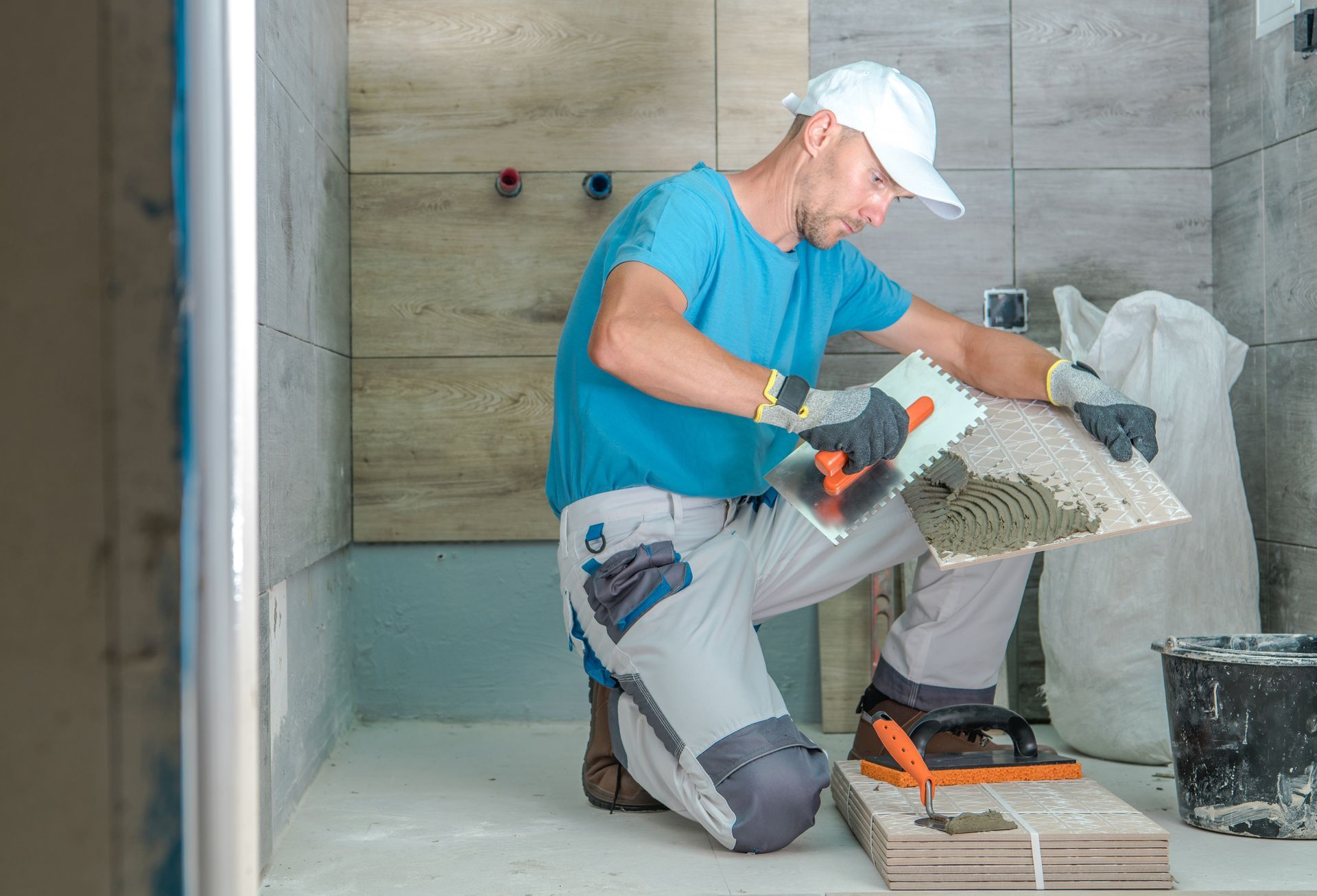
Need a trusted bathroom remodeling contractor in Southampton, PA? Call Davidson & Son at (215) 880-2830. 20+ years of local experience. Free estimates.